Using GPT to Increase CRM Impact

Today’s businesses struggle with massive amounts of data, erratic markets, and changing customer tastes. OpenAI and Bard, two GPT-based technologies, can be useful. They have the ability to foresee market trends, sift through complicated data, and tailor communications with clients. In an ever-changing corporate environment, these cutting-edge AI technologies are essential for sustaining competitiveness and fostering development.
Using GPT to its full potential in CRM is revolutionary. With its attention-grabbing advertisements and automatic, individualized mailers, it transforms mundane jobs. Sales representatives may now auto-generate emails and meeting agendas, which will streamline their process. AI may also compile data from many sources to create knowledge articles, which enhances self-service and case resolution. GPT integration improves customer service and greatly reduces stress in CRM procedures. on service representatives and contact centers.
The GPT-Powered Product Features of SimpleCRM
Through the usage of GPT, SimpleCRM is able to improve the functionality of its CRM and provide users with outstanding value.
Sales Coach Powered by GPT
A breakthrough in the use of GPT-powered AI for sales enablement is SimpleCRM’s Sales Coach. Giving sales teams AI-assisted help gives them a significant competitive advantage in their sales processes. The features of this tool include the ability to do thorough risk and opportunity fit evaluations, recommend the optimal course of action based on the next best action, and calculate deal closing probability with high accuracy.
For each salesman, this sophisticated tool serves as a personal coach. It offers customized advice based on in-depth data analysis, which would normally take a lot of time and be difficult for people to do. The knowledge gained by this AI Teams are able to make data-driven decisions that are in line with their objectives and the demands of their customers when analysis is immediately applied to the sales process.
Sales teams who use Sales Coach so see enhanced efficacy and efficiency, which raises deal closure success rates all around. Businesses may create a sales environment that is both high-performing and robust to market volatility by providing its salespeople with such cutting-edge technologies.
Custom Knowledge Base Driven by GPT
Revolutionizing knowledge base interactions, the SimpleCRM GPT Bot leverages the power of Language Learning Models (LLMs). It can precisely understand user queries, retrieve pertinent information, and traverse through enormous amounts of documents with skill. This enables the bot to produce perceptive, appropriately contextualized replies that closely resemble human exchange.
This artificial intelligence (AI) driven bot automates the labor-intensive, usually manual process of finding and presenting information from extensive knowledge bases, elevating knowledge management to a new level. It does more than only locate and provide information. By taking on the difficult work of comprehending the context of questions, it improves the accuracy and relevancy of the information it offers.
Furthermore, with every engagement, the GPT Bot picks up new skills and modifications. Over time, this leads to steadily better response quality and higher levels of consumer satisfaction. It also scalable quickly, saving businesses the expense of hiring more staff to maintain high service levels during peak hours.
Organizations may greatly improve user experience, expedite information distribution, and improve customer support operations by putting SimpleCRM’s GPT Bot into action. This also frees workers from time-consuming and repetitive tasks.
GPT Support for Client Care
The introduction of GPT Assist for Customer Servicing marks a revolution in the field of customer assistance. By analyzing customer interactions in-depth, automating different aspects of communication, and offering intelligent recommendations for the next steps, this technology leverages the potential of sophisticated AI to help customer support professionals close cases faster.
Fundamentally, GPT Help turns inactive customer care workers into proactive issue solvers. This is accomplished by giving teams predictive information about possible client problems before they become more serious, allowing them to offer preventive remedies that raise customer happiness and foster customer confidence.
This AI-powered technology also makes support case triage more effective. The support staff can prioritize and manage cases more skillfully if they have a better understanding of the nature and urgency of each client concern. Furthermore, GPT Assist may automate repetitive contacts, freeing up human agents to work on intricate problems that call for human intervention.
It also provides a sophisticated capacity to comprehend and evaluate consumer interactions across a variety of media. Because it gives support personnel a complete picture of every client’s journey, this data is crucial because it enables them to customize their approach to meet the specific requirements and preferences of each individual customer.
By incorporating GPT Assist into their customer service operations, organizations may improve customer happiness and loyalty while also drastically increasing service efficiency and effectiveness. It also gives service agents additional authority, which enhances their duties effective and purposeful, raising employee satisfaction and lowering attrition rates. With these advantages, GPT Assist gives companies a strong way to stand out in a field that is getting more and more crowded.
The Path Ahead
The vital role that GPT plays in improving customer experiences and optimizing company processes is becoming more and more clear as we traverse the ever-changing CRM market. GPT’s improved capacity to produce content that appears human and deliver AI-driven support has revolutionized sales processes, marketing campaigns, and customer service procedures.
Standing firmly at the forefront of these developments, SimpleCRM is dedicated to creating ground-breaking solutions. It seeks to make the most of GPT’s capabilities in order to revolutionize CRM operations and continuously provide outstanding customer outcomes.
Furthermore, SimpleCRM understands how critical it is to be ahead of the curve in a world going digital. Businesses may adapt to changing consumer requirements, tailor customer interactions, and ultimately remain ahead of the competition by utilizing GPT technology.
Follow SimpleCRM’s journey during this exciting time of innovation driven by GPT. Keep up with the most recent advancements in CRM and AI, as well as product developments and market insights. With GPT’s robust AI capabilities, we are collectively ushering in a new era of CRM whereby unrealized potential is unlocked and boundaries are redefined.
Seven Easy Steps to Simple Auto Marketing

Marketing is not an easy endeavor in the car sector. Dealers devote a large portion of their time and financial resources to creating marketing campaigns and content. Even with the greatest of intentions, it may be quite challenging to break through the clutter and establish a strong connection with the proper consumers.
It’s true that marketing for cars might seem like a high-risk, low-reward endeavor. Your sales staff will suffer if you are unable to provide the kind of shopping experience that modern vehicle purchasers need.
The good news is that you can get over the obstacles preventing you from executing a fully customized and successful marketing campaign at scale in a practical and calculated manner. The seven easy methods to marketing that will help you stand out are listed below.
1. Use a Marketing Account Manager to Increase Marketing Impact
Having an experienced partner that can keep you informed about the latest technological advancements and best practices makes it simpler to execute successful, captivating marketing campaigns. When you collaborate, the effect of your efforts to provide the appropriate material at the the appropriate moment and stick to your campaign’s plan.
2. Utilize Performance KPIs to Direct Your Advertising Approach
As soon as your marketing approach starts to fall short of your objectives, it’s important to make necessary adjustments. With the use of sophisticated reporting tools, your team can see performance from above and make necessary changes to messaging, audience, and marketing channels.
3. Simplify Your Processes to Increase Efficiency
With dashboards that gauge a campaign’s efficacy, integrated marketing platforms like Automotive Marketing Platform make campaign monitoring simple. You don’t have to waste time on ineffective initiatives anymore. You may make adjustments as you monitor the success of your marketing campaign with quicker access to data insights.
4. Customize, customize, customize!
Your marketing plan should take advantage of every chance to give customers unique, personalized experiences. Dealers using the Automotive Marketing Platform
5. Collaborate with a Supplier of Advanced Data Insights
There is terrible news for marketing teams that depend only on third-party data to locate, monitor, and connect with customers. Third-party data and web browsers are becoming less helpful and more controlled. Making ensuring that the data you have collected (first-party) and the data your vendors have provided (second-party) are dependable and easily available is more crucial than ever.
Assist reputable suppliers that have integrations with popular third-party consumer websites, such Autotrader and Kelley Blue Book from Cox Automotive. You may easily switch from third-party cookies to first- and second-party data without sacrificing the flexibility to customize your message and marketing strategy.
6. Make Your Marketing Processes Automated
Your marketing operations may be automated, so you can provide customers with individualized content without requiring manual management and execution of every stage. You can also be certain that you’re reaching the correct audience at the right moment because automated marketing content and scheduling are based on real-time data about every customer. Personalized car offers and incentives may be created with your CRM when your marketing solutions are integrated with reputable consumer websites like Autotrader and Kelley Blue Book.
7. Combine Your Marketing Technology and CRM to Get Results
Your sales staff will have more information to communicate with customers and complete deals when your marketing solution is integrated with your CRM. Not only does your sales staff have access to consumer data, but they can also view all customized marketing action that has been seen by every customer.
Robust connection across technologies enables your team to access real-time shopper data and activity right from the CRM customer record, saving you the trouble of checking both the CRM and an external marketing platform. It simplifies sales processes and enables your staff to discuss and complete jobs with more knowledge.
Slice Through the Background Sounds
It is feasible to have a successful marketing plan, and it is also easier than you may believe. Make your dealership stand out by utilizing the above-mentioned tactics and advice. Overcome the obstacles preventing you from moving forward and, at last, create a genuinely customized campaign that yields the desired outcomes.
Utilize Automotive Marketing Platform to reach clients more quickly and increase marketing ROI.
Automotive Dealership Marketing Techniques

Job sales via the phone versus in-person

One of the questions that can be posed occasionally requires a little more explanation when breaking down the duties of a service adviser in terms of selling work. You might be wondering what that question is.
Here it is, then:
Is it better to sell a project to a customer in person or over the phone in the most effective way possible? A service department is a very ACTIVE location. There is always work to be done and something going on. The majority of the daily routines at most shops are occupied by waiters, who fill the schedule. To pass the time, there are also highly sought-after drop-off appointments. The normal day offers enough work to keep all the technicians occupied when organized properly, with jobs ranging from straightforward oil change-type procedures to a few more task-oriented or diagnostic jobs to occupy the hours. When done correctly, the advisor should drop off appointments when the technicians arrive and sell work to waiters.
While we would all prefer the ideal scenario when it comes to selling work, neither life nor ideal scenarios for doing our jobs (or selling work, for that matter) exist very often. What does this mean, then? It indicates that selling work should be done the same way, whether it is done over the phone or in person. No matter where the client is, the advisor must devise a method for presenting the tasks at hand in an orderly and effective manner. Even if the requirements for each vehicle vary, we should do everything in our power to meet the needs of our CUSTOMERS. Each counselor has a unique selling style, and the finest ones are constantly acquiring new techniques. SELL. The best way to understand what you’re working with before going in to complete the job is to check in with and update your customer. Although it’s not always possible, a superb service department keeps in touch with one another to provide information or advice to the advisor on the job based on their write-up as well.
Therefore, if at all possible, we should establish a rapport with our clients before beginning the procedure. The three C’s are everything after that. Suspicion, Reason, and Remedy. The problem or complaint should be clearly stated, followed by the reason (or, in the absence of one, our best-educated estimate) and the necessary correction and its associated cost. If done that way, the client should be aware of the issue and know how to resolve it. Gaining the client’s trust by offering to show them photos or providing them is a wonderful method to gain their business. If at all possible, always propose multiple repair solutions. We are all aware of how effective aftermarket components can be in lowering consumer expenses. However, we are also aware of when we should stick with OEM parts and when we can do that. Without offering either too little or too much information, the advisor should manage the presentation of all of those possibilities.
In the end, it comes down to providing the greatest possible customer service and making sure that our communications are clear and straightforward. We consider our job done when we have supplied the consumer with all reasonable options for repair and have done our best presentation, whether over the phone or in person. This needs to be executed with assurance and power. Nothing is worse than a hesitant and mumbling adviser. At that point, it will be up to the buyer to choose what works best for them. If the staff functions as a whole in this way, whether the customer is calling or coming in person, the shop should see growth and retention in their department and be terminating more employment than not.
There may always be circumstances that do not go in our favor, but if we are confident that we have done everything in our ability to be as helpful as possible, then our tasks are done. The prized customer will always return to work with us if we put their needs ahead of our own pockets at the moment.
10 Facebook Ad Mistakes Car Dealerships Should Avoid

AI’s Impact on Dealerships: From Bots to Buyers

AI in the workplace can be difficult to sell due to concerns that it would result in less skilled workers, depersonalize the purchasing experience, or perhaps completely replace real-world people. Even though you may not yet be a fan of AI, your dealership’s consumers appear to like how it enhances their buying experience.
The automotive sector is currently experiencing a paradigm shift in how companies conduct business and interact with customers in today’s fast-paced digital environment. The emergence of AI technologies, including chatbots, task automation, and predictive analytics, has fundamentally changed how dealerships do their everyday business. AI enables dealerships to optimize their operations, concentrate on customer service, and eventually increase sales by automating monotonous jobs and providing improved customer support.
Whether you’re a believer or a skeptic, we’re here to guide you through the fascinating world of artificial intelligence so you can learn how it can make your dealership successful in the modern era of technology.
Growing Use of Chatbots
You’ve come to the right place if you’re curious about what these little talking robots actually are and how they operate. A chatbot’s principal objective is to mimic real human interaction by using high-tech artificial intelligence tools to understand and reply to consumers. In essence, they’re designed to give consumers the impression that they’re speaking to a real person (cool, huh?). Customer service, question-answering, task assistance, and casual chatting are all things that chatbots can be used for. By responding quickly to consumers’ questions or requests, they can be found in messaging applications, websites, or specialized platforms, and they strive to automate and streamline communication operations.
It’s obvious that chatbots—even in the automotive industry—have become an essential tool for automating and improving customer support. Dealerships are now able to offer round-the-clock support, rapid inquiries, and individualized assistance thanks to these AI-powered virtual assistants. Chatbots can comprehend and reply to consumer inquiries by utilizing natural language processing (NLP) skills, providing a seamless online experience. Chatbots can respond to a variety of questions, such as those on cost, availability, and financing, in a matter of seconds. Chatbots increase customer happiness, establish confidence, and guarantee that potential leads are interested and engaged by providing timely responses and pertinent information.
Chatbots with AI capabilities are also excellent at qualifying and generating leads. Chatbots can display vehicles that are a good fit for the customer’s needs by displaying customized suggestions and automatically gathering consumer information and preferences. These interactions aid in the identification of prospective customers and allow dealerships to concentrate their efforts only on qualifying leads. You can significantly speed up the conversion process by focusing on these lucrative leads.
Quick Tip: We advise utilizing a chatbot that offers a tailored experience to enhance the impact of chatbots in your dealership’s advertising. Use a chatbot that can remember the customer’s name, preferences, and past discussions in addition to being able to respond to them by name. By doing this, the chatbot will be able to offer customers who return a more personalized experience and recommendations based on their prior encounters.
The Effectiveness of Automated Tasks
Not everything AI can do is create a groundbreaking chatbot. In dealership operations, task automation reduces manual labor, minimizes errors, makes the best use of resources, and increases productivity. Your dealership may increase productivity, streamline procedures, and devote more time and resources to what really matters—customer service and satisfaction—by utilizing AI technologies to automate repetitive operations.
Using task automation, a dealership can accomplish the following objectives:
* Inventory management—AI innovations like machine learning algorithms make it possible to estimate demand accurately, set the best prices, and manage inventory effectively. Dealerships may ensure the appropriate vehicles are available at the appropriate time, lowering carrying costs and increasing turns, by automating these operations.
* Marketing initiatives that are specifically targeted can be produced using AI-powered systems that examine consumer information, preferences, and online activity. Your dealership may maximize its advertising budget and target the most appropriate audiences by automating the process of identifying potential buyers and customizing ads accordingly.
* Inventory Advertising Integrations: For quick and simple ad generation, task automation can deliver your real-time inventory data to advertising platforms. This makes sure that ads are only shown for vehicles that are in stock and on the market. Your inventory data can be synchronized with social media sites like Facebook using automated methods. This type of link can cause advertisements to pause or display in response to changes in supply levels, effectively reducing wasted advertising expenditure on vehicles that are momentarily out of stock.
Quick Tip: It’s usually preferable to start with simple, repetitive jobs when integrating task automation into your dealership’s operations. A large amount of time should be spent on relatively simple and repetitive jobs; therefore, identify those. These duties could involve data entry, creating reports, or sending follow-up emails. Your staff can save time by automating these tasks, which they can then use for higher-value duties.
Keep in mind that task automation is a journey, and it’s crucial to regularly assess and improve your automation plan as you spot new opportunities for improvement. Your dealership can uncover considerable time and resource savings by starting small and steadily expanding automation efforts, ultimately increasing overall efficiency and production.
Predictive Analytics’ Power
Predictive analytics has a huge potential to revolutionize dealership operations when powered by AI. Predictive analytics algorithms can offer insightful forecasts by utilizing historical data, market trends, and consumer behavior patterns. This enables your dealership to make defensible decisions based on reliable, actionable facts. Predictive analytics can help your dealership efficiently address client requests and stay ahead of the competition in a crowded industry.
Predictive analytics may help dealerships with a variety of objectives, including:
* Sales forecasting—Predictive analytics algorithms can produce precise sales estimates for various vehicle models, regions, or time periods by examining a range of data sources, including customer demographics, historical sales performance, economic indicators, and market trends. The risk of overstocking or passing up sales opportunities is reduced thanks to the use of this information by your dealership, as it helps it organize its inventory, marketing initiatives, and sales strategies more efficiently.
* Pricing tactics that work best Competitive automobile pricing is essential. In order to suggest the best price strategies, predictive analytics can examine market conditions, competitive pricing, and client preferences. Your dealership can choose the appropriate pricing thresholds to maximize revenue while still appealing to potential customers by understanding the relationship between price elasticity and demand. Systems for pricing optimization enabled by AI can also continuously track market trends and make competitive price adjustments in real time.
* Targeting and segmentation—By examining consumer information and behavior trends, AI systems may isolate several client groups according to their preferences, purchasing patterns, and likelihood to make a purchase. Because of this segmentation, dealerships are able to develop customized marketing campaigns, specialized incentives, and appealing offers for each segment. Your dealership may greatly increase marketing efficiency and boost conversion rates by focusing on the right customers and sending them the correct communications.
* Planning for service and maintenance: predictive analytics can examine information on vehicle performance, maintenance history, and other factors to determine when a vehicle may need repair or maintenance. By doing this, your dealership can better serve customers, plan maintenance appointments in advance, and reduce unforeseen problems.
Quick Tip: It’s crucial to keep in mind that models need to be continually improved and validated when applying predictive analytics to your dealership operations. Predictive models’ accuracy and potency can be impacted over time by shifting market conditions, client preferences, and other variables. Regularly review and update your predictive models based on fresh information and insights to achieve peak performance.
Bonus Advice: By contrasting your predictive models’ forecasts with actual results, you may verify their accuracy. Any gaps or potential improvement areas can be found using this. Investigate the underlying causes if there are any disparities, then make the necessary model adjustments. Predictive models can be improved and validated to help you make sure your decisions are data-driven and based on the most recent, accurate facts.
Because it enables dealerships to streamline operations, improve customer experiences, and increase sales, artificial intelligence has effectively changed the automotive advertising environment. Your dealership can concentrate on providing great customer service and developing long-term connections with customers by utilizing AI technologies and capabilities like chatbots, task automation, and predictive analytics. The significance of having reliable, usable data for your marketing initiatives only increases as this business develops. In addition to assisting you in collecting that data, technology like AI can also use it to benefit your dealership, ensuring that your consumers have a more tailored shopping experience than what your rivals can provide.
Tech Update: Pre-Sale Options with Multi-Use Banners

The little things in life may sometimes make getting through each day so much easier. One of those minor details is the ability to upload arriving and on-order units to your dealer website from SimpSocial’s Control Centre before they ever show up on the lot. Yes, even those without a VIN as of yet! We are aware that a few of our client partners, like our Toyota dealers, wait to get the VIN until the car actually shows up on their lot. Customers may find it difficult to reserve or pre-buy inventory as a result, and you may find it difficult to effectively anticipate your vehicle sales and obtain enough inventory from your OEM.
The little things in life may sometimes make getting through each day so much easier. One of those minor details is the ability to upload arriving and on-order units to your dealer website from SimpSocial’s Control Centre before they ever show up on the lot. Yes, even those without a VIN as of yet! We are aware that a few of our client partners, like our Toyota dealers, wait to get the VIN until the car actually shows up on their lot. Customers may find it difficult to reserve or pre-buy inventory as a result, and you may find it difficult to effectively anticipate your vehicle sales and obtain enough inventory from your OEM.
At every point of the ordering process, we want to ensure that our dealer partners can promote and sell all of their inventory. This functionality has been introduced so you can now enter these automobiles into the backend, add photographs if you’d like, finish filling out all of the required information about the vehicle, then upload that inventory to your website where customers can shop for them.
Additionally, as status indicators on your website, you can use words like “incoming,” “on order,” “reserved,” “pre-order,” and others. Since everyone appreciates transparency, you’ll see these as banners on the VDP and SRP, easily and efficiently informing your customers of the situation. Another method that we make things simpler! Find out how we can simplify the marketing for your dealership right now!
Marketing Strategies Every Business Must Use

Discover some methods for promoting your company.
One of the most crucial factors in boosting brand recognition, expansion, and eventually sales is business marketing. The right marketing strategies attract audiences, keep customers coming back, and expand your client base, in addition to performing customer education for your company. Reaching a customer base is one of several marketing strategies that have become much more affordable and available to SMBs in the current hyper-competitive digital environment.
We have chosen the top three tactics that are essential right now from among the many marketing strategies that we hear about daily.
Produce Interesting and Unique Social Media Content
Social media has grown into a powerful force. The advantages of social content marketing go beyond boosting sales; they also include brand building, access to priceless customer data, and the ability to fine-tune your plan based on important insights. The potent social media content marketing techniques that you can use in your approach are the ones listed below:
Create a blog to boost your ranking
The client traffic you were looking for is immediately attracted by blog entries maintained on a specific portion of your official website that are search engine optimized. Utilizing Google rankings will move your website up to the first few pages, increasing foot traffic and client awareness.
Find out what interests your customers by conducting research. The themes need only provide your audience with a solution; they don’t even have to be entirely relevant to your service. The aim is to keep them coming back for more. They will feel more comfortable approaching you if they are aware that you are willing to assist them. What will catch their eye and increase their interest in your company? The place to begin is there.
With our SEO services, our staff takes this strategy seriously. We’ll write for you, but we’ll also research your sector to identify the ideal keywords to boost the visibility of your website.
Engaging Videos Increase conversion rates
Another underutilized but highly successful marketing strategy for selling a good or service is video marketing. For the first time, it has been shown to be the most effective digital content with a high conversion rate. Video is visually appealing, interesting, and remarkably underutilized for lead conversion. According to WordStream, adding a video to your website can raise conversion rates by 80%. You can produce behind-the-scenes films, make announcements, present your solution, and spread three times more information using video content than you can through written content.
The trick is to be direct and succinct. Don’t have the audience watch a five-minute lecture video. The video needs to be succinct and grab viewers’ attention right away. Make a list of ideas that will draw people in quickly. Returning to the proposed fix As soon as you have a solution, let them know you have it covered. then make sure the video doesn’t lose its appeal.
Finally, we advise creating a strong thumbnail. Perhaps a happy expression or a phrase. For instance, if you were holding a sale, you might put 40% OFF” clearly written out alongside your product. If necessary, take it a step further. Whatever is necessary to capture their attention and pique their curiosity.
eBooks are Excellent Resources for Connecting with Your Customers
Another fantastic option to develop content that is special and unique is to write an original eBook and make it available to customers. Because eBooks can be downloaded, unlike blog posts, the concept that they are valuable objects is established. The second strategy we’re going to talk about, building an email marketing list, is strengthened by eBooks, which are a potent lead generation tool that visitors must sign up for or download.
Get in touch with your potential clients right away via email and postal mail
Receiving mail in your mailbox or via email is a very long-lasting marketing strategy that will never stop producing results. In reality, direct mail delivered to targeted clients’ mailboxes has proven to have higher response rates than email marketing programs. In addition to offering a personalized touch that loyal customers appreciate, it has a higher return on investment, is attention-grabbing, and is appropriate for all age groups. The icing on the cake is that you can monitor marketing data using a variety of methods to assess how well your campaign is spreading the word.
Boost Your Reach with Facebook Ads
Facebook is the most successful social media marketing platform, per a survey. You can utilize Facebook advertisements as a ready-made marketing channel to connect with your audience and increase website traffic. It offers real-time performance assessment tools, caters to all demographics, and enables you to create a highly targeted plan. Given that US users spend an average of 12 hours and 9 minutes per day on social media, you can easily develop a strong brand presence by placing tailored advertising pointing to your service on the platform.
The success of a firm is not dependent on marketing; rather, marketing is the business itself. You might base your service’s launch on a fundamental idea and then promote it to customers. But as time goes on, marketing shifts from identifying customer wants to actually fill them. Utilizing the power of search engines, social media, direct mail marketing, and email campaigns, one may easily raise brand awareness and quickly become well-known.
We hope you found this article useful and learned some important advice on how to organically expand your social media presence for your company. Our SEO service also involves blog authoring and posting, backlink analysis, and other tasks. You can get in touch with us if you need any assistance with your SEO, videography, or other needs.
Facebook Removed Dealership Inventory Tabs

The requirement for Automotive Inventory Ads (AIAs) in your comprehensive marketing plan is highlighted by Meta’s removal of the ability for dealerships to have “Vehicles” or a “manage inventory” tab at the top of their Facebook company pages on January 30, 2023. Let’s discuss what this means for businesses like yours that sell cars.
Let’s have a look at how it used to flow before we examine the motivation and use case. While users were on Facebook, they could shop because this tab grabbed merchandise from the feed.
This used to look like this:
Earlier inventory layout on the dealership’s Facebook business page.
This choice was probably made by Meta in an effort to reduce the number of spam leads that dealers frequently find when using Facebook leads. However, people who continue to be allowed to use their personal profile to sell their car or other property on Facebook Marketplace are unaffected by this change.
What does this entail for you, then?
This essentially reiterates the necessity for dealers to accept and make use of Automotive Inventory Ads (AIAs). These advertisements make use of the inventory stream and interactively display automobiles to specific audiences, thus affecting your capacity to close sales to prospects with greater intent.
These advertisements continue to be the most economical and clever method to market on Facebook, even though it’s unclear what other adjustments Facebook will make for dealers.
Here, you may read more about SimpSocial’s use of AIAs.
Automotive Icons: Lessons from Car Ads

Market Approach Serving Your Client
Video advertisements are a terrific method to spark attention, increase sales, and spread brand knowledge, so it makes sense that the car sector has been utilizing television advertising for decades. Commercials are an entertaining approach to marketing when amusing taglines, catchy jingles, and distinctive characters are added.
Even after an advertisement has been pulled off the air, it might linger in your memory for years or even decades. Eight of the most recognizable auto advertisements have been gathered, along with ideas from them that you might be able to use in your dealership’s marketing plan.
Who wants to drive a car they detest? Buying an automobile is a decision that involves both logic and passion. This Volkswagen commercial is a fantastic illustration of how appealing to viewers’ emotions can engage them. Viewers may see a child’s surprise thanks to the father’s remote start key function, which shows how well a balance of logic and emotional appeal can improve the impact of your messaging.
Advice: Customers prefer to do business with companies that are made up of people just like them. Do the communications from your dealership to customers feel generic, or do they evoke genuine feelings? To establish a connection with your audience, add some personalization.
Particularly in a sector where your product doesn’t stand out greatly from those of your competitors, your messaging is crucial. This 1980s Toyota commercial sticks out not because of any particularly catchy statements or taglines, but rather because of how it conveys sincerity. Toyota demonstrates that its claim to be “turning the truck world upside down” is more than just an empty slogan by building an entire town full of upside-down vehicles.
Advice: Buzzwords and clichés abound in the marketing world, and if you’re not careful, many of them could make your marketing look pointless. Showing people why you’re the best is preferable to telling them (like all of your rivals do).
2010’s “Hamsters” Kia Soul When you complete your research, creativity can really help you stand out and become memorable. Kia became a little bit…funky? when the soul was introduced? This was an automobile for the urban individualist, as evidenced by its rapping hamsters zipping across the city and videos of other, less distinctive hamsters riding a regular toaster.
Advice: Hip-Hop Hamsters may be a touch over the top in most circumstances, but don’t be afraid to attempt something that no other dealerships are offering. Keep in mind who you are writing for, and don’t forget that, if done right, being brave can pay off handsomely.
– 1997 Nissan 300ZX, “Toy Cars”
This Nissan ad from the 1990s employs an intriguing kind of storytelling. The advertisement portrays a GI Joe-like character as he impresses the Barbie girl of his dreams by utilizing a sleek remote-control car rather than real people (or even an actual car).
Tip: People enjoy stories, even if they don’t directly relate to them. Making connections with potential consumers through the use of narrative strategies in your dealership’s marketing is a terrific way to pique their attention and ultimately inspire them to take action.
“What Do You Want in a Car” – 2006 Audi
This Audi commercial demonstrates the power of a concise, straightforward message. Making a car advertisement that doesn’t even feature a car is dangerous, but the straightforward message that the keys hanging from a set of nails deliver is simple enough for most people to comprehend.
Advice: Occasionally, less is more. To get people’s attention, your dealership doesn’t have to be the loudest. Keep it basic instead. Concentrate on communicating with the appropriate clients with the appropriate message.
1970 Pontiac GTO “The Humbler”
A person could be inspired to purchase a new car for a variety of reasons, including increased reliability, improved technology, or even to reflect changes in their lifestyle, such as receiving a promotion or expanding their family. This 1970 Pontiac advertisement is a famous illustration of how goods may be connected to individual preferences and lifestyles. As the main reason heads to the drive-through with his car (particularly the unique vacuum-powered exhaust system), viewers can feel his pride.
Advice: Customers can visit your dealership looking for a car with lots of styles but actually needing something else. Profit from leads by using demographic data, behavioral information, and customer history to make sure you’re recommending the appropriate vehicle to the right person.
2012 Chevrolet Camaro, “Happy Grad”
Use humor as often as possible in your marketing. This advertisement is ironic to the core since it contrasts what a fresh graduate sees as reality with expectations. And while the ad is notable enough for its humor, it’s also significant to remember that it was the winner of a Chevrolet-sponsored Super Bowl ad contest. It is therefore custom-made.
Advice: Asking your customers what they want will help keep the doors to your dealership open. Polls and competitions are fantastic ways to improve your customer interactions and learn more about what your customers want from you.
2004 Ford GT: “The One”
People are much more concerned with other things than how their cars will look, which is why test drives are available. When thinking about your marketing materials, it’s easy to default to the visual aspect of something, but this Ford commercial shows how lucrative it can be to appeal to other senses, like sound.
A helpful hint is to include video content, like YouTube ads, in your digital and print advertisements to engage audience members who might be less interested in reading what you have to say.
These auto advertisements, along with several others, provide evidence for the fact that people tend to remember valuable information. Marketers employ a wide range of strategies to set their products apart from the competition, and one of the greatest ways to pick up these tips is by looking at examples of when they’ve been effective. These auto advertisements are famous for a reason, and your dealership may be able to achieve the same success by adopting some of its marketing strategies.
How to Respond to Slow Dealership Sales

When I recently went to a dealership, I spoke with the general manager and inquired about the condition of the shop. His comment on their sales was that they weren’t where he intended them to be. He provided me with his explanations for why leads, traffic, and sales were down as we talked further. He didn’t sound like he had a clear solution yet as I listened to him. I had the impression that he simply intended to wait until the situation shifted. This prompted me to consider what I would advise, and I came up with this.
Get Sought-After Used Inventory
It will remain on your lot if you don’t have the correct inventory to get customers into the dealership. Don’t hold off until people trade in their cars. Determine which automobiles (High Gross + Low Days to Sell) you have sold well in the past and buy more of those. Look to the folks you sold those cars to, and invite them in to swap in something you know you can sell. These folks will also require automobiles. This increases the number of consumers who can be served. Don’t tell a person looking for a car you don’t have that you’ll call them when you do, and then let them go. Try to locate the person you sold the automobile to in your sold database and invite them to come in since you have a buyer.
Befriend anyone holding an equity position.
Find folks who have the previous body style and are nearing the end of their warranty so you can get them into a new car with no money down and maintain their payment mostly the same. Take a look at your hard drive. Anyone bringing in an out-of-warranty vehicle will probably have a pricey customer-pay RO. Allow them to keep the money and trade in their current vehicle for a new one. On the day of their birthday, call equity holders and offer them a birthday special. You’ll be able to buy more merchandise as a result of this.
Your database is sterling.
Stop concentrating solely on gaining new clients. Customers and prospects abound in your DMS and CRM. Make proactive contact with customers before they begin to shop using your own data. If they have filed a lead, they have likely also sent leads to other dealers. Unless you have offered (and have continued to provide) an excellent customer experience and have developed a loyal client base, the only way to win that business is by lowering the price and your gross.
Cut Down on Response Time
Make sure you react as soon as possible. Because the lead gets to the wrong individual, customers are still witnessing response times of 45 minutes to two hours or more at some dealerships. Ensure that the appropriate, employed, and available individuals are receiving the leads. While they are still on your website, try to respond. Every rep and manager should be alerted, and someone should follow up on a lead if it isn’t followed up on after 15 minutes.
Utilize text messaging
Make sure your clients are aware that they can contact you by text message. When you call them, they might be in a meeting and more likely to answer. Use an opt-in and opt-out messaging tool that is compliant. If not, you run the danger of incurring expensive legal fees for your dealership. The correct texting solution enables you to keep track of the messages sent to your customers and will save those messages to the customer’s file in your CRM.
Hold your salespeople responsible.
Make certain that your CRM includes customers who come into the store. Have the front desk staff record the number of customers who drive up, park, stroll around the showroom, and even come in for service. Salespeople frequently only enter customers into the CRM if they believe there is an opportunity to offer them something. However, the mere fact that they entered creates a chance for you there in front of you. Make sure to collect client information so that your reporting is more precise and can properly identify the driving factors for traffic. You may cease doing something if it is effective but the customer is not being added to the CRM. Additionally, make sure your salespeople inquire as to “What brought you in?” or “How did you hear about us?” If they are asking and recording those replies, you will only know what is working and what you need to do more of. Verify that they are placing calls. Take note of their calls. Instead of requesting to drop by whenever they ought to request an appointment. They ought to be enticing individuals inside if they are not with a customer. Salespeople prefer simple walk-ins over wrangling for an appointment.
Engage the management team
Managers should confirm reservations. This makes sure that the salespeople are setting quality (and real) appointments and introducing customers to the manager earlier in the process rather than at the end, when tensions are high and patience is low and the manager comes in to close the deal. Hold your supervisors responsible for managing their staff, speaking with each customer, and conducting one-on-ones.
Boost Sales Process Speed
The length of the process is what aggravates customers the most when buying a car. Look for opportunities to reduce the amount of time the consumer spends at the dealership. Limit the amount of time you are away from the consumer. It is at this point that the salesman either starts discussing amongst themselves and becomes uneasy or begins to shop your competitors while still within your dealership.
The best customer experience can be created.
Why should someone choose your dealership when there are so many others nearby that provide the same vehicle for the same price? It ought to be about the encounter. What are you doing to give the customer the experience they want? What are they seeking? Are you aware? Something that is quick, simple, open, beneficial, and stress-free is an excellent place to start. The majority of people consider purchasing a car to be the second most expensive and emotionally taxing purchase they will ever make. Recognize their troubles and worries and take aggressive measures to address them. Negative survey results are acceptable. They let you know what has to be fixed. Often, dealers are more concerned with the manufacturer’s CSI survey than they are with actual customer satisfaction. Reach out to customers who give positive feedback and surveys to go rate you on Google, Yelp, and Facebook. But listen to the unhappy customers so that you can gain an outside perspective.
Reduce Employee Turnover
Our industry has always been plagued with turnover. Most people leave because they are not happy and/or successful. Often, we hire anyone, even someone with no experience, and have them watch some training (maybe) and then throw them on the floor to sink or swim. Have your managers take time to train them on how to succeed. Give these new salespeople the tools that will help them do their job. Managers need to make sure that they are setting goals with the salespeople, going over their metrics, coaching them, and helping them realize the tools management has in place are not to be “Big Brother,” but to help them be successful.
Automate as Much as you Can
Let your software do as much work for you as possible. Most processes get set up and forgotten. Let your software keep you organized, in contact with everyone, and ensure that nothing falls through the cracks. Run lots of campaigns that are very targeted and specific to both the audience and the message.
Reward Loyal Customers
Do you know who your most loyal and long-standing customers are? Use your CRM to identify and segment these customers so they receive notifications when they call or visit your business. Create a customer appreciation campaign to thank your loyal customers and reward them for their repeat business. Send them birthday, anniversary, and special occasion cards in the mail. Offer discounts to entice them to continue doing business with you. Offer incentives for their referrals. Invite them to special VIP events, such as new product introductions or a customer appreciation party.
Used Car Market Trends 2026: What Dealers Need to Know

How Used Vehicle Dealers Can Survive a Recession

Being successful in the used vehicle business during a recession might be difficult. It can be challenging to attract customers and maintain profitability when consumer spending is declining and economic uncertainty is rising. However, used vehicle dealerships can not only survive but also prosper during a recession by utilizing technology.
Online marketing and advertising are one way that used vehicle dealerships can benefit from technology. Most shoppers currently start their car-buying process online, doing research and weighing their options before committing. Used car dealerships can enhance their visibility and attract new clients by developing a strong online presence and implementing SEO techniques.
During a recession, social media networks can be a useful resource for used vehicle shops. Dealerships may engage with potential consumers, display their inventory, and provide specials and discounts by establishing and maintaining a strong social media presence. Additionally, consumer comments and reviews may be gathered through social media, which can help the dealership build its reputation and draw in additional clients.
Offering easy and effective services is another way used vehicle lots may employ technology in a downturn. Implementing a digital retail tool, for instance, can make it simpler for clients to explore and buy vehicles from the convenience of their homes. This can help the client save time and hassle while also assisting the dealership in increasing F&I sales via DR platforms. The best way to express it is as stated by Karl Brauer, Executive Publisher of Autotrader and KBB: “Digital retail tools are transforming how people browse for and buy vehicles. These tools help manufacturers and dealerships enhance client expenditure and value by delivering a more convenient and tailored experience. Digital retail is revolutionizing the auto industry and assisting consumers in finding the ideal vehicle for their needs and budget, from online showrooms and financing tools to virtual test drives and tailored suggestions.
Additionally, installing an inventory management system can assist used car dealerships with real-time monitoring of their stock and wholesale pricing. In addition to increased accuracy and productivity, this can also help dealerships quickly change prices and decide which cars to buy in bulk.
The use of technology can help used vehicle shops provide a better client experience. For instance, establishing a customer relationship management (CRM) system can assist dealerships in gathering and analyzing consumer data, enabling them to customize their email and SMS marketing campaigns for specific clients. This can boost client loyalty and repeat business, in addition to increasing consumer happiness.
Last but not least, used vehicle lots can employ technology to enhance internal operations and expedite procedures. For instance, putting in place a cutting-edge accounting and dealer management system can assist dealerships in keeping track of their finances and making better business decisions. This can help dealerships maintain profitability and make the most of their resources during a recession, in addition to saving time and lowering the chance of mistakes.
In conclusion, by utilizing technology, used vehicle dealerships can prosper in a downturn. Used car dealerships may draw clients, keep a profit, and remain competitive in difficult economic times by employing Internet marketing and promotion, providing quick and effective services, enhancing the customer experience, and streamlining their internal operations. Independent dealers have the chance to take on the challenge and emerge from a recession even stronger, as time has shown. They can weather the storm and come out on top by remaining flexible, embracing technology, and concentrating on the demands of their clients.
How Dealerships Can Keep Up With the Evolution of Automotive Technology

Today’s automobiles and vehicle availability are substantially different from those of a few decades ago. Dealerships and salespeople in the past were unable to reach all the nearby communities and local customers. Most frequently, shops had to purchase a vehicle in a different city or have it delivered to them. Customers would purchase anything a dealership had as quickly as they could and when it was available. It would be simple for someone else to enter with the cash and purchase it there and then.
The shipment the dealership was having delivered would determine the model, color, and equipment, if any. A trip to the showroom would be a memorable experience for the whole family or for anyone. It served as a day to remember and a point in time for many years, just like going to a festival or the fair. Up until the 1990s, this was the typical dealership environment.
In the past, the amount of traffic in the showrooms was mostly dependent on the dealership’s financial status due to how many and how frequently they could purchase vehicles. On the other hand, it depended on the customers’ ability to purchase a vehicle with or without financial support.
Consumers can now use their phones to make any kind of online purchase. Due to the digitization of the automotive retail industry, customers may now attend an exhibition, select the color, model, and equipment they want, arrange to finance, buy insurance, extend the warranty, or select any package and pay for it. The vehicle might then be delivered to the buyer’s home or another location of their choosing. Some clients don’t need to visit the business, which saves them time and money overall.
Customers can acquire any automobile at any time of day or night because of automation and SMS (Short Messaging Services) communication. Since there are over 272 million smartphone users in the United States alone and 98% of all text messages are opened, text outreach may easily reach a larger area and a greater number of clients. Due to the minimal data requirements and flat rate solutions offered by systems like SimpSocial for an endless number of inbound and outbound SMS campaigns and answers, dealers may also send SMS at a lower cost.
Artificial intelligence on SMS platforms can potentially be used to target and communicate with larger audiences. Dealerships can rely on automatic responses that are natural and address the customer’s desire after the initial interaction with a customer and the system receives the “interested” response. With the chosen communication that suits your department’s marketing, sales, or even service demands, this and other MMS (Multimedia Messaging Services) keep the sales process moving forward.
The next stage for dealerships to keep current is to foster connection and grow the number of community members, regardless of the system. To help your business develop and prosper, keep alerting them about new deals and models, specials, servicing possibilities, extended warranties, trade-ins, and other communications. There are numerous ways for automobile organizations and retailers to increase their market share today.
The dealership teams have the best transparency to identify dialog scenarios before they can potentially be false or deceptive thanks to the SimpSocial technology, attention, and study. Dealers can now rely on automated systems that have a current response or a default course of action to take in any situation, ensuring that communication flows and you stay on top of your business without missing a beat.
Some of the leading dealers in the sector use SimpSocial’s analysis of new opportunities, technological advancements, new market progress, and applications in the background. The system’s potential as a tool to help an industry that is expanding quickly and shocking everyone more than ever
The Automotive Industry and the Telephone Consumer Protection Act

The Telephone Consumer Protection Act (TCPA), passed by Congress in 1991, shields customers from unwanted telemarketing calls. The TCPA regulates a variety of communications, including automated calls, text messages, pre-recorded messages, and telemarketing. This guarantees that customers keep their privacy and that businesses restrict telemarketers.
The TCPA is a significant law pertaining to dealerships that administrative departments must abide by or risk legal repercussions. According to the law, any telemarketing calls made by dealerships must have the recipient’s express prior written consent. This means that even for potential consumers, dealerships must get a signature from the person they are contacting before they can lawfully make a sales call to them. It can be quite difficult to obtain each customer’s prior written consent. Having said that, dealerships have had success implementing automated customer management software, which enables dealerships to get in touch with potential consumers in a way that complies with all regulatory requirements.
Visitors to a dealership’s website can see a disclaimer at the bottom of the form where they can consent to be contacted about anything relevant to their interest in a new vehicle. SimpSocial is an illustration of an automated communication system that can integrate with dealership CRMs. After the customer accepts the “opt-in” disclaimer online, SimpSocial contacts them via AI-powered SMS to make a phone call or an appointment in-store. If we pay attention to the initial texts that clients receive, we will discover that they always have the option to opt out of receiving any additional texts by replying “opt-out.” To maintain the dealership complaint, for instance, the SimpSocial system will secure this information when they do that and won’t contact them again. On the other hand, if the client messages us back and requests a call, they will be waiting for us to get in touch with them, and it won’t be a cold call any longer.
Dealerships rely on automated software to reach leads; therefore, all telephone contacts related to that must go properly and be more openly disclosed than ever. Every call your staff makes increases their productivity, and by making sure your systems are TCPA compliant, you and your teams can politely concentrate on your client connections and needs without being distracted by external processes.
Automotive’s advertising standards

The majority of contemporary dealerships are supported by digital platforms that frequently create SMS campaigns and evaluate their effectiveness. A clear message that is powered by artificial intelligence and geared to maximize client interaction is now the norm for campaign messaging.
-
TCPA conforming
-
Immediately reengaging
-
Vital information
-
Natural dialogue
Systems like SimpSocial are adept at managing inbound lead sources and specialize in SMS campaigns. These AI text interactions are written and organized by technical developers to automatically engage consumer databases. These AI dialogues can notify users of offered goods and services, as well as appointment times and dates. This crucial information for CRMs is captured by our system at the initial point of contact.
Engaging in the first phase that manages and turns inbound leads into customers by using meaningful, long-term follow-up. As a result, dealers can create distinctive marketing campaigns to buy from, sell to, or promote other deals to certain customers.
For your dealership, for instance, marketing, sales, and service campaigns can automate effective communication. Our dialogues can comprehend and respond to difficult client inquiries by utilizing AI that has natural language processing.
sequences for SMS campaigns targeting dealerships
The best way to inform consumers about fresh recall alerts, event promotions, service condition improvements, and customer advantages is through outbound marketing campaigns. A new range of goods and services and active engagement in giveaways are additional themes for effective outbound campaigns. From a dealer’s database, SMS messages about model availability can spur client involvement. Outbound SMS campaign engagement rates are currently up 68% year to date.
Because curious clients can depend on one dealership to acquire the information they need without having to look far and wide for answers or responses, after-hours support and strategic follow-up efforts are also strongly advised. Dealers can engage in an automatic discussion via our app using SimpSocial campaigns, and AI can even send automated messages for inquiries about individual vehicles from your data flow. Why not spare your sales team another laborious task?
Buy-back campaigns give dealers the ability to advertise current vehicle demands and conditions as markets change. To help retailers quickly add more used cars to their inventory, these carefully selected SMS advertisements are automated.
The majority of your campaigns will depend on the season. Is there a high or low season for business, tax season, or another period when money is tight? When taken into account, your advertising environment can demonstrate a high likelihood that a portion of clients require a new car, maintenance, or simply a good ring to know you remember them. In this situation, dealerships should automate CSI support and feedback surveys in between larger promotions.
Within your service drive, service-to-sales campaigns give offers to certain consumer segments. Successful marketing platforms like SimpSocial spend years training AI models using millions of automotive-specific data points. AI replies include make, model, vehicle value, photographs, and more and are constantly improved.
Some of the best customer experiences can be produced by campaigns with carefully crafted messages and a strategic conversion procedure. The quantity of communications our AI initiates and the context the marketer describes are just two examples of how SimpSocial builds every outreach attempt for our partners with their customers in mind.
Using the aforementioned SMS campaigns to improve communication efficiency can help dealership teams work in a positive environment, forge closer ties with audiences, and inform local communities. Do you want to upgrade your dealership to include one of these communication features? To learn more about launching AI campaigns right away, schedule a call with one of our specialists here.
To advance sales, the automotive industry must prevent disengagement.

Engagement is essential when it comes to generating leads in the automobile sector. However, occasionally things don’t go as expected, and they might not immediately become clients. This is where disengagement occurs, and even if they don’t convert right away, having a backup plan in place in case your main plan falters will help you keep the lead.
But how might a disengaged lead be avoided? Well, one way is to set up a reliable sales process and teach your entire staff about it. By doing this, you can prevent misunderstandings and guarantee that all leads receive the same treatment, regardless of who handles them.
Understanding your audience is another way to prevent lead churn. Pay attention to their wants, preferences, and spending limits so you can adjust your outreach strategy to fit their demands and raise the likelihood of conversion success.
It’s crucial to keep in touch with your leads. Keeping them interested is important, whether through SMS advertising, phone calls, or social media. By doing this, you may remind customers of the benefits you provide, increasing the likelihood that they’ll visit your dealership again when it’s time to make a purchase.
As a result, the implementation and application of artificial intelligence is our third strategy. In order to ensure that you don’t lose any possibilities, our AI software can respond to and follow-up with your consumers. Additionally, SimpSocial can track the interactions with your leads, assisting your staff in delivering first-rate customer service. This may leave a favorable image in the eyes of your clients, increasing the likelihood that they will do business with you in the future.
So there you have it—some advice on how to put better engagement methods into practice and raise the likelihood that leads will always turn into paying clients. Always keep a backup plan in mind, but if you put the correct tactics in place, you might not even need one!
You can schedule a call with one of our experts here to learn more about how AI can help you improve the management of your incoming leads and boost communication within your organization.
Aligning Sales & Marketing

Professionals in marketing use the term “Smarketing” to describe the deliberate coordination of their marketing and sales operations. This process alignment is essential to ensure that both teams are using the same criteria for success and goal-setting. But how does that actually manifest itself in daily life? That is what we are here to talk about.
Promoting Business Through Sales and Marketing Cooperation
If your company wants to increase monthly sales by a certain percentage, there are other ways to reach that objective besides merely having your sales crew work more. After all, a wide range of factors, including seasonality, life events, everyday weather, sports activity, and even each and every customer’s emotional condition, have an impact on in-store sales.
And while your sales team might be adept at overcoming each of these obstacles, they might not be able to do so in some circumstances, such as when your company is (a) brand-new, (b) recently relocated, (c) introducing a new service, etc. The marketing team may step in at that point and actually make a difference.
Marketing and sales collaborate closely.
Here’s an illustration: Imagine that you run a fruit stall by the side of the road. Fresh oranges are being sold in the dead of winter. It is in high demand, the product is fantastic, and no one else is selling it, so it is a successful strategy. However, you won’t likely make many sales if no one knows that you’re selling this fantastic item.
Let’s imagine you have a huge sign that reads, “Fresh, Juicy Oranges” and has a large image; you’ll probably see a lot of customers! Your sales team can then enter to make an upsell, add on the juicers you have in store, and encourage customer loyalty to keep them coming back the following week.
Your marketing and sales departments must collaborate in order for you to be successful. When did your marketing and sales teams last get together? Do they follow a coordinated strategy?
Aligning Sales & Marketing Efforts
It’s not always easy to see how the two interact, but if both teams are in sync, it becomes very clear. Having monthly meetings when the marketing team and sales managers are present is one way to do this.
You’ll brainstorm fantastic ideas about how to advertise your company together. Your sales staff has an intimate understanding of your customer base, whilst your marketing team has access to all the data. and they can develop a successful plan of action together.
How to Match Marketing Activities with Sales Objectives
Making sure that your major sales are working as hard as possible by utilizing clever marketing strategies to maximize your return on investment is a terrific way to align the two activities. For instance, if you were getting ready for a major spring sale, the marketing team would think it would be a wonderful idea to take advantage of it by advertising it through multiple channels.
How to Involve Your Staff in Your Social Media Strategy

You must start imagining fresh, cutting-edge ways to communicate your brand’s message as individuals (especially younger generations, like millennials), who are more hardened to advertising, become more and more apathetic to it. According to studies, as social media usage increases, people are turning less to advertisements and more to the views and experiences of their peers when making decisions, particularly about purchases. Utilizing your own staff to spread your brand messages is a simple way to profit from this trend.
Instead of being perceived by many people as being untrustworthy or only interested in making a sale, your staff is respected experts among their peers. If your audience doesn’t feel like they are being marketed to but rather informed by a reliable source, they will be more likely to read your message. Because the opinions of your employees are genuine and credible among their peers and acquaintances, developing a message that they wish to spread will greatly expand the pool of prospective customers for your business. When compared to the same messages sent via the official brand social channels, brand messages were shared by employees 561% more widely. When employees spread brand messages instead of the brand itself, they are shared 24 times more frequently.
What To Do First
You’ve probably already recognized how crucial it is to include your employees in your social media strategy after hearing these startling numbers, so allow us to provide you with some advice on how to get started.
Create A Program With Incentives
Create a program that pays employees for providing information about the business; it doesn’t have to be elaborate or difficult. Asking staff members to submit photos of team gatherings (team breakfasts, parties, or trade exhibits) so that your marketing team may share them on the company’s official pages for public exposure could be an easy way to start. Giving out monthly awards to the staff members that participate in the company’s social media initiatives the most is a fantastic alternative.
Give a centralized communication tool
To communicate updates with your staff, use a private Facebook group, an email list, or a group messaging app like Slack or Yammer. These tools are fantastic for ensuring that everyone is on the same page and effectively reflecting the brand. Your employees will feel more invested in the business and more involved if you post updates frequently on these channels. They will also have greater freedom to choose whatever issues they feel are significant enough to discuss with their networks of friends.
Spotlight Personnel
This one is related to a program with incentives. You can inspire others to strive for recognition by openly praising staff members on social media. Additionally, regardless of how big or small your business is, this is a fantastic method to boost morale and foster teamwork. Tag that employee in the post to get visibility to their audience as well, which is another simple approach to boosting engagement.
Get together with your team and decide the best methods. You can start incorporating them into your marketing plan right away now that you are aware of why your employees are so crucial to your strategy and that you are aware of some initial recommendations.
First Step: Make sure your brand and culture are accurately portrayed so that both the company’s official platforms and those of your employees are delivering a consistent message. This is the first step in involving your employees in your company’s social strategy.
Download our free Ultimate Social Media Checklist to help you strengthen your current strategy and increase your social presence if you want to make the most of your social media presence.
Remain SimpSocial!
How to Connect with Potential Car Buyers
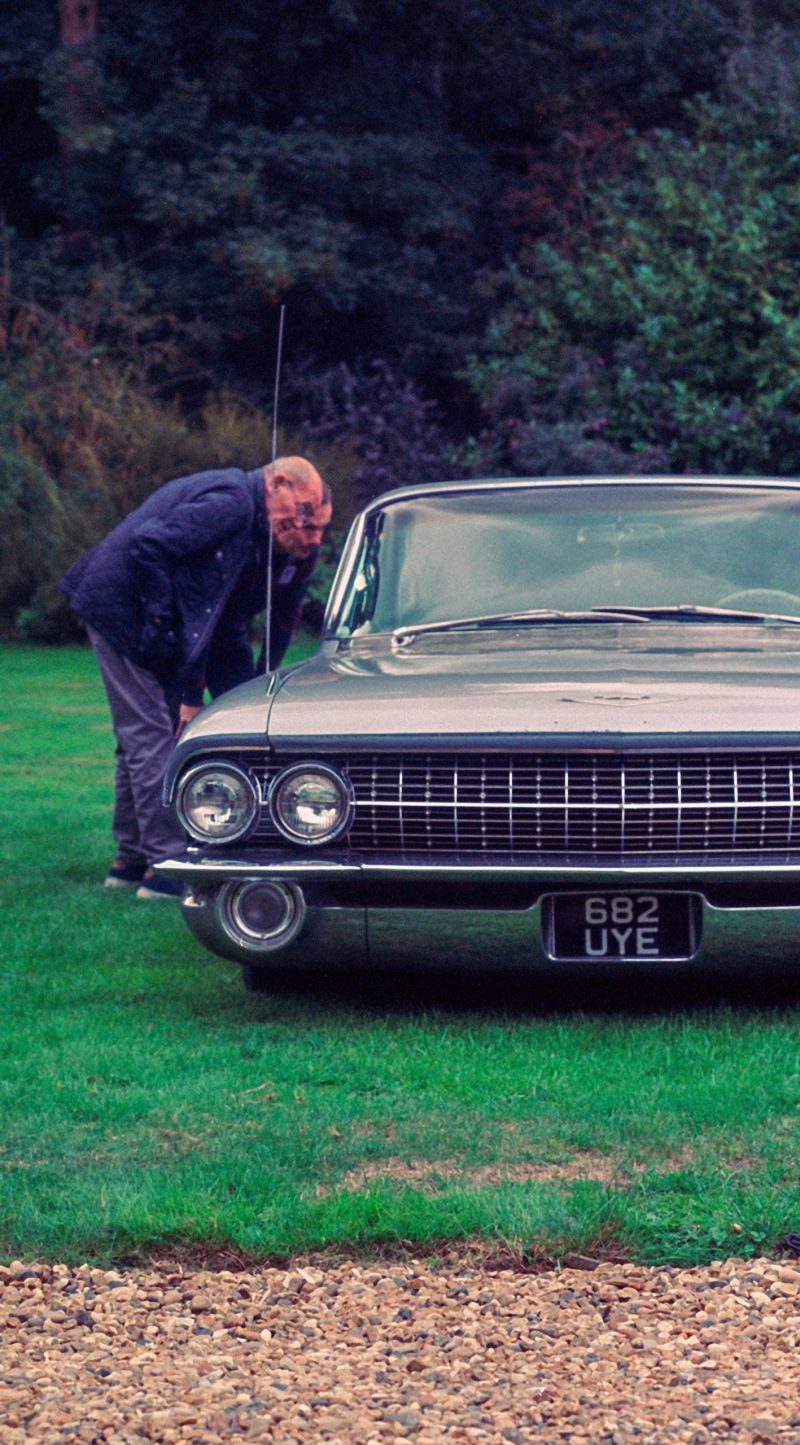
Nowadays, purchasing a car involves a little more than simply walking into a dealership, perusing the stock, and leaving satisfied.
In this increasingly digital era, it’s critical to understand how to interact with potential automobile customers. For some advice on how to stand out and inform potential clients, keep reading.
It’s Important to Have Access to Information
These days, there is a ton of information available online. Even though your dealership may already have a website, take a moment to consider its usability and design. Is it simple to read the information? Is it educational? Do the drop-downs have a clear purpose, and are they organized well?
Let’s look at some useful features a dealer’s website ought to have to attract potential customers.
Vehicle evaluations: Whether a customer is new to the dealership or has previously owned several vehicles from the brand you represent, it’s likely that the lineup has changed and new features have been added. A car review summarizes a car’s specifications, interior features, and other details.
Comparisons: Nowadays, a lot of drivers conduct research, but they want to be aware of their options before going to a dealership. Comparing vehicles, either between brands or within the same brand, is one way to do this. By giving drivers vehicle comparisons, they can evaluate an automobile on their own.
Resources that are easily accessible: According to AutoTrader, 72% of drivers prefer to fill out the credit application and associated finance documentation online. This tool should be accessible online, along with others like a trade-in value calculator and a payment calculator.
Social Media Usage
It makes sense to sign up for and be active on TikTok and Facebook, given their continued rise in popularity. But what should you do when you’re actually behind the wheel?
Utilize these options to let clients know about forthcoming activities you may be hosting, such as barbecues in the summer or coat drives in the winter. Customers should be informed on social media when a new model is introduced or the pre-owned inventory has just been expanded. It’s a simple method to connect with people and advertise your company.
Effectively Engage Your Customers
Being able to communicate and interact with potential car customers is crucial. SimpSocial can develop an integrated marketing plan that meets your needs. We anticipate hearing from you. Call us right away!
PPC Techniques for Businesses with Multiple Locations

How to Write Informative and Entertaining Blog Posts

You must choose a goal for your blog before you start writing. If the goal is to inform readers, you must determine whether they will find the information valuable or informative.
Additionally, you should ensure that your work will be time-effective for the reader. Make every word count because, for people, time is everything.
Understand Your Market
You need to decide who your blog is now that you know why you’re writing it.
According to an old proverb, “If you try to please everyone, you’ll end up pleasing no one.” As a result, you must identify your ideal client, which you may achieve by developing a buyer persona.
Your tone and message will be more precise and concentrated once you’ve done that.
Make it your own.
It’s fantastic to produce instructional materials. However, your readers ultimately want to get a feel of who you are. In doing so, you can show that you’re both relatable and a thought leader in your industry.
To keep your readers interested, keep your tone informal. Avoid seeming robotic by taking the following actions:
To address the reader, use “you.”
Pose queries to elicit thoughts from the reader.
To make your postings more vibrant, use metaphors.
By using these suggestions, you’ll sound more genuine and can start building trust with your audience.
Create Relationships
Regularly producing interesting and educational content can help you establish a connection with your readers. They will continue to seek you out if they have confidence in your knowledge. In the future, they’ll be more likely to employ your services as well.
Connect with your audience now.
As you can see, a good blog can educate readers while still keeping their attention. Contact SimpSocial Companies right now to get started if you’re prepared to share your material with the online community.
The Secrets to Great Content

In a single day, the average person views 4,000 to 10,000 ads. What does that entail for you and your company, then? You want to make sure that your advertisement stands out from the sea of advertisements that your audience sees every day due to its sheer volume.
Fortunately, doing that only requires applying a few techniques that will turn the generic copy of your company into something special.
You only need to take a moment to read this primer on the secrets of effective content, which was written by the marketing experts at SimpSocial. With the help of these practical tips, you’ll learn more about what makes a piece of content motivate buyers.
Tip #1: Express some emotion.
Emotions are the primary determinant of decision-making in the human brain. In fact, research has proven that your buyer is more likely to purchase your goods the more emotionally impactful your content is on them.
Additionally, emotional advertising outperforms its less emotional rivals in terms of revenue, profit, and market share gains.
What does this imply for you personally? Simply put, adding a little emotion to your text will undoubtedly motivate your audience to take the desired action.
In order to motivate your ideal customer to buy what you’re attempting to offer, your ultimate goal is to appeal to their emotions.
Desire has been shown to be one of the most powerful emotions to appeal to when trying to persuade customers to choose your company.
One effective strategy to pique the interest of your audience is to sell an SUV in a way that illustrates how it may help parents stay on schedule and more organized.
Writing for Your Audience is Tip #2.
It’s crucial to make sure that every piece of content you produce is targeted toward the appropriate audience, continuing our SUV example from our first suggestion.
By focusing on the reader’s needs and the advantages of your product, you’re more likely to establish a personal connection with them.
You should alter the topics and context of your copy based on the customers who are most likely to buy the product, as opposed to creating all of your content for the same buyer.
This will not only make it easier for your audience to relate to the text on the page, but it will also give them the impression that your company is acutely aware of their problems. As a result, your customers will be more inclined to make a purchase, which eventually results in higher sales for your business.
Practice the Art of Readability, the third tip
Above all, writing in a way that is both clear and simply consumable is the best approach to connecting with your audience and inspiring them to take action.
One of the best ways to do this is to create content that succinctly explains the advantages of your product and how those advantages will improve your customers’ lives.
Furthermore, scannable information makes it easier for desktop and mobile readers to quickly understand the main points of your copy. You can use the following techniques to make your copy easier to read:
-
A list of bullets
-
Charts
-
concise paragraphs
-
Subheads
-
lists with numbers
Additionally, maintaining white space on the page gives the reader’s eye a place to rest and prevents the client from becoming overwhelmed by the volume of content. All in all, these suggestions assist you in producing marketing content that is more approachable to a range of people.
Discover More About the Success Factors for Content!
Now that you are completely aware of the secrets to effective content, it’s time to select a group of marketing experts who are knowledgeable about writing copy that will arouse desire and convert leads into purchases.
All you need to do is get in touch with SimpSocial, your fully integrated advertising agency, and ask to speak with their team of creative content marketing professionals.
With our assistance, you’ll begin to enjoy the advantages of content created to entertain and meet the needs of your audience. Contact our staff now to get going!
Unfortuitously, Your Leads Are Not Just Your Leads Alone.

Due to the growing popularity of websites like Vroom and Carvana as well as the overall inventory shortage, which has forced customers to search longer online for inventory that meets their demands, consumers are spending more time buying online.
As a result, customers are visiting fewer dealerships in person before making a purchase. Additionally, only about a third of customers actually complete their shopping on the dealer’s website, meaning that two-thirds of customers begin and end their customer journey on a third-party website.
This implies that your leads are not just your leads. At least 65% of the time, customers are directly comparing your inventory, pricing, and customer service to those of your rivals.
Customer loyalty and lifetime value are crucial, but the leader needs to be converted into a customer first, and your dealership is in real-time competition with a number of others for the opportunity. Vin-specific leads are more focused and more likely to result in sales, but other than increasing the lead’s quality, the best strategy for capturing buyers who are considering multiple dealerships is to simply arrive first.
With SimpSocial, you can ensure that more customers start and complete their customer journeys in your store thanks to our lightning-quick response times and excellent appointment setup strategies.
Buyers who viewed numerous websites visited third-party websites first (65%) and last (58%), respectively. Additionally, dealer websites are crucial, particularly at the conclusion of the purchasing process, when 32% of auto purchasers complete their internet research.
Traditional Media’s Efficiency and Effectiveness Failures

What is this blog about?
Large sums of money are spent on marketing by many dealerships through conventional media outlets like radio and television. We demonstrate how waste and inefficiency are built into traditional media.
What makes it worth reading?
You might not have time to consider the waste associated with traditional media given everything else you have to do to manage a business.
How will we be of assistance to you?
We have taken the time and effort to analyze the ways that traditional media outlets squander funding.
Let’s have an open dialogue.
It is foolish to invest a significant amount of your resources in conventional media, including television and radio. Your return on investment is harmed by relying on these channels in two significant ways:
It cannot be particular to your PMA, or primary market area.
It can target based on demographics (which is excellent), but not on real shopping habits (which is poor).
Stimulus marketing, or the process of generating interest and brand exposure, is a subset of traditional marketing. You must specify your audience in order for any stimulus channel to be effective. This procedure involves categorizing shoppers according to their gender, household income, age, education level, and marital status; however, two essential steps are missing: the ability to assess shopper behavior and the kinds of inquiries they’re posing.
That is a high-level summary of how inefficient traditional channels are. Let’s look more closely.
An Analysis of the Waste from Traditional Media
The fundamentals of traditional media buying are as follows:
You choose programming that is the most popular and has the highest proportion of your target demographic.
Why does that matter? Let’s examine a TV advertisement budget example.
You want to market compression leggings for women. Your target market might resemble something like this:
Women aged 25 to 54
minimum annual income of $70,000
takes frequent exercise.
We’ll estimate that out of a million people in your market, 20% meet these requirements. A channel obtains an index of 100 if 20% of its viewers fall into your defined audience.
So …
An index of 50 is assigned to a channel with 10% matching viewers.
A channel with 30% matching viewers has a 150 index.
an illustration of the waste of viewership and spending caused by traditional channels
An explanation of the waste and inefficiency of traditional media.
You have now obtained the demographic information from all of the networks.
We are aware that 20% is the cutoff point for a 100-point index. As a result, we are aware of the following:
Winner: The Travel Channel. ESPN is also.
We could pick CBS if we had the money.
Spending money on NBC and the Food Network would be wasteful.
Remember that the targeted audience is not something you are paying for. Because these networks can’t distribute your ads to just the homes that match your targeting, you must pay for the entire market audience of your channel.
This implies that even though your CPM at the end of an ad run on ESPN is $15, you still need to take into account the thousands of people who didn’t fit your criteria.
To make up for all of that waste (those viewers who are not matched), the cost per thousand impressions needed to reach your actual targeted demographic must be higher. Because of this, the total cost to obtain your target audience’s impressions on that channel is $57 rather than $15.
Programmatic Advertising Is the Answer to Wasteful Media Buying
Cable networks and radio stations are becoming much less cost-effective in their existing forms as the media procurement landscape changes. It’s also the reason that these same businesses are figuring out how to switch to a programmatic channel using phone applications and other tools.
What exactly is programmatic advertising, then?
Take some time to process what we just covered before you get started.
Do you have any inquiries?
If so, contact simpsocial.com at (888) 829-1110
What Electric Vehicles Will Mean for Dealers in 2023

Dealerships strive to stay on top of the “next best thing,” much like every other industry. For some dealers, the latest ‘thing’ is figuring out how to include electric vehicle alternatives in their marketing and sales processes. Other times, this involves installing a new kiosk in the lobby or updating a sophisticated messaging tool on your website. And for good cause too: according to a recent survey of 33,000 American drivers, 22.9% would think about purchasing a new or used electric vehicle, and 65% agreed that EVs “are the future of the auto industry.”
Internal combustion engines are being put to the test for the first time since the start of the 20th century. Between now and 2024, almost 20 OEMs will introduce 65 EVs, according to Automotive News. According to JD Power’s EVX study (Electric Vehicle Experience), up to 16,000,000 EVs may be sold during the following four years. Going electric presents a significant possibility for dealership expansion, according to this.
Your dealership must comprehend both the reasons why consumers choose electric vehicles (EVs) as well as the features that consumers seek in EVs in order to take full advantage of this opportunity.
What Modifications Might This Bring?
The expanding demand for EVs will probably require dealerships to create new employee training programs (or at least modify their current training programs), from small rooftop shops to big dealer chains. This will frequently necessitate spending money on brand-new infrastructure that can support electric vehicle sales, service, and charging. Naturally, you’ll want to ensure that such investments will be profitable.
New sales techniques are also being investigated, such as the sale of new cars mostly (if not entirely) online. While intriguing, the majority of customers, especially those buying brand-new equipment, want to visit the dealership at some point. Retailers must therefore have the infrastructure and resources to service clients both offline and online, throughout the entire ownership cycle (financing, buying, maintenance, etc.).
Due to the growing popularity of EVs, developing a marketing plan to attract and influence EV customers will be essential for future-proofing your dealership.
Create Electric Marketing
Dealers must rethink their conventional marketing strategies because of the political and consumer needs driving the development of electric vehicles. A new approach to your marketing initiatives is necessary given the popularity of this novel type of vehicle. EVs are now considered during the purchasing process, and EV buyers have more factors to take into account than the typical new car buyer. Utilize the numerous opportunities to influence your customer’s experience.
Know the facts, first. It’s crucial to understand what you’re offering before you attempt to sell it, just like with any other product. Your clients will ask you a lot of questions. A smart place to start is by having responses to many of the frequent queries or worries that your clients might have. Even better, make an effort to offer your consumers insightful materials that are valued. This might take the form of an EV buyer’s checklist infographic that can be downloaded, lively test drive videos, or even an e-newsletter highlighting the most well-liked EV makes and models. Offering your consumers access to these materials results in a win-win situation where you build profitable relationships and your clients receive the knowledge they require to confidently buy the automobile they’ll adore (EV or not).
Finding Your Buyer is Tip #2. Based on market research, buyer personas are fictionalized depictions of your ideal client. They often include demographic data, behavioral trends, motives, and objectives.
These personas might be a useful tool if you’re unsure of where to look to discover the perfect kind of customer for your dealership. How? As an example, let’s say that environmentalists are health conscious and cultivate part of their own vegetables, recycle frequently, or purchase goods that come in environmentally friendly packaging. You may tell that Randy might fit this persona if he comments on Facebook postings that are related to one of these three subjects. You can better understand your consumers (and potential customers) by using buyer personas. Randy cares more about saving gas than he does about saving money on gasoline. This makes it simpler for you to identify your target audience and develop content and marketing that appeal to them.
Targeting Effectively, Third -Despite the fact that there are millions of potential EV consumers, not all of them are your clients. Clean, pertinent data is essential for successful targeted marketing. Your dealership may engage with the appropriate clients, prospects, and conquest possibilities by using demographic, behavioral, industry, and market data.
You can use a number of targeting strategies thanks to good data. To locate potential customers, your dealership, for instance, does not need to rely solely on a single indicator like equity or car age. To identify individuals with a high likelihood of purchasing today, you can use a large collection of data points. For electric vehicles, perhaps this entails focusing on people who recently relocated to a location with a high concentration of EV registrations and who share demographic traits with other people who have bought EVs from you.
Bonus Advice: Show creativity. Customers anticipate and, quite frankly, desire positive change. What makes your marketing any different, then? Your dealership can promote any vehicle using special social media tools like Instagram Reels and Facebook Live, or you can increase exposure by using a number of interactive filters on stories. Whatever you decide, don’t stop thinking outside the lines!
Your consumers are searching for information from reliable sources as there is increased interest in (and pressure to switch to) electric vehicles. Your dealership has a number of opportunities related to electric, and you can take advantage of them by successfully positioning yourself as a resource for customers (both in-person and online). Whatever the situation, if you have the appropriate support, we think you can genuinely electrify your marketing both today and in the future.
Five Simple Ways to Be a Reliable Salesperson

Salespeople frequently have a negative reputation for being unreliable. Even when the odds are against you, establishing your customers’ trust is essential to increasing your sales. It’s time to overcome the odds.
In a 2016 study, customers were asked what they found most annoying about the car-buying process. The study’s findings were contrasted with what vehicle dealerships said customers disliked most.
In most circumstances, you’d assume a dealership would be aware of the things that irritate its clients. However, the study’s findings revealed that when it came to identifying their customers’ pain points, over 32% of dealerships completely missed the mark.
The majority of the dealerships that took part in the study thought that customers were most unhappy with the length of time it took to actually buy a car. However, the majority of customers stated that their biggest issue with purchasing a car was their lack of trust in the salesperson. Only 16% of dealers thought this would be the most typical response.
It’s unsettling how the opinions don’t align. If dealerships aren’t even aware of what their customers want, how can they engage them?
They seek out trustworthy salespeople. Actually, 71% of customers say they’ll purchase a car “because they like, trust, and respect their salesperson. “
What can you do to be that dependable salesperson and pick up your game? Following are five easy steps:
1. Disclosing information honestly
The way consumers approach automobile purchases has been significantly altered by the internet. Today’s consumers spend more time researching vehicles than they do inspecting them in person. Customers won’t stay to learn more if you don’t tell them the market price upfront.
If a customer must take a test drive before speaking with you about rates, more than half of them will depart. Take no chances. Be sincere right away to give your clients an opportunity to believe you.
2. Recognize the importance of your nonverbal cues.
Consider this: Would you be more likely to believe someone who is grinning or someone who is frowning? We underestimate how much trust or mistrust our body language can convey.
Check out this guide on face-to-face communication for effective nonverbal behaviors that strengthen rather than undermine trust.
3. Keep in mind that presentation is everything.
According to statistics, if your consumers are pleased and impressed with your presentation, half of them will purchase a car from you right away. They are more likely to believe a salesperson who is knowledgeable and honest. Even more so than the car itself, how you show a car to a consumer might influence their choice.
Pay attention to the way your client reacts. Depending on how they process information, adjust your presentation. For instance, a visual learner won’t require you to explain as many things to them as an aural learner would. Keep an eye out, and be alert. For further advice on presentations, click here.
4. Be true.
Being real with your customer is what all these processes ultimately boil down to. An honest and sincere salesperson will have these qualities. Customers want to deal with salesmen who are genuine and are not disguising themselves.
5. Make the most of technology
The study’s findings showed that dealerships that employed technology to close transactions were more favorably received by customers than those that did not. According to the paper, “mobile technology encourages transparency.” Consumer trust grows as mobile solutions are used more frequently during the sales process.
Virtual and augmented reality Overtake the Automotive Industry

How It Will Benefit You
My imagination was the only virtual reality I had access to as a child. My main sources of escape were cable television, movies, and early video game systems like Nintendo (can I even mention books?). Given the ridiculously low-resolution images our generation spent hours staring at, we are fortunate to still have our vision. But now that things have changed, stunning high-definition virtual reality (VR) and augmented reality (AR) are slowly making their way into the mainstream.
A Video Star Was Killed by VR
Let’s take a technological step back before talking about what the auto industry is doing with VR and AR now that they have advanced beyond the Star Trek holodeck. It’s crucial to first comprehend how conventional video is used in car sales. A recent survey found that 88% of customers who watched web videos before visiting a dealership were prepared to make their purchase.
That is power, my friends. According to statistics, almost everyone who completes their online video assignment has already made up their mind before coming to your lot.
In contrast, 78% of consumers knew what they wanted in the absence of video. When you consider the millions of shoppers that view videos, that 10% difference adds up. Customers now expect you to supply YouTube content and dealership inventory films since they have been incorporated into the buying process. Then, preferably with the actual, in-stock vehicle, they watch walkaround videos. Most people have their minds almost made up about the car they want to buy by this point. Where they’ll purchase is still up in the air as more and more prospective buyers utilize local Google searches, read reviews and star ratings, and use social media to whittle down their options. But that is a different tale.
Given the persuasiveness of video, it is understandable why automakers are rushing to showcase their wares in virtual and augmented reality. Imagine a totally immersive, 3D walkaround where clients may use their fingers to instantly modify a car’s paint color or trim level if a smartphone video proves attractive. Without leaving your dealership, they experiment with a pair of showy rims and perhaps check out the inside in leather rather than fabric.
Catching Fire VR
How popular is the VR/AR industry? The industry, which is currently valued at $1 billion, is anticipated to grow to $120 billion. Cardboard, Google’s low-cost smartphone VR device, has sold over 10 million units and more than 150 million apps. Sales of reasonably priced devices like the Oculus Go, which fill the gap between pricey VR headgear and cheap Cardboard, are outpacing forecasts. Nearly a million PlayStation VR units have been sold, according to Sony. The market estimates, however, wouldn’t be as optimistic if these technologies were exclusively intended for home arcades. The vehicle dealership is but one illustration of VR’s promising commercial future.
The use of virtual and augmented reality by automakers
Virtual technologies provide an efficient, reasonably priced approach to displaying buyers a variety of car options without having to have them in stock. Before they even loosen a bolt, custom businesses can display customers’ customized vehicles on the service side.
The Audi VR Experience was just released by Audi, and it’s meant to entice customers back into showrooms. No matter how many actual automobiles are on the lot, customers can choose from millions of spec combinations, and the application contains the whole lineup of the automaker.
Using Snapchat’s augmented experimental lens, BMW engaged fans all over the world to launch its X2 crossover. Users may alter the vehicle’s colors and view it from any angle using the 3D experience. Users could enter the EcoSport and see the inside of it during Ford Canada’s augmented reality walkaround. The Microsoft HoloLens headset-powered HondaLens AR provided consumers with information on noteworthy features as they examined a real-world Accord at recent auto shows.
Despite giving businesses new selling tools, new display technology also enables them to dazzle customers after the sale. Great marketers make every effort to ensure that customers are aware of how to operate their new automobiles because they understand that informed customers are happy customers. Innovative manufacturers like BMW and Hyundai offer augmented reality (AR) user handbook apps for mobile devices that overlay feature information over the area of the car the user is looking at. Since struggling to read distant signs can distract drivers and result in accidents, Chrysler is reportedly looking into augmented reality windshield overlays that display virtual street signs.
VR/AR Construction and Testing of Autonomous Vehicles
Self-driving cars are now a reality thanks to virtual technologies that have already surpassed the limitations of conventional vehicles.
As reported by AppReal:
“The University of Michigan has an intriguing take on augmented reality and driverless cars.” Researchers at their MCity lab employ augmented reality to make connected car testing simpler, quicker, and safer.
When it comes to self-driving cars, safety is the top concern for the majority of corporations and governments. Because the technology is still in its infancy, many consumers are reluctant to entrust a machine with their lives.
Testing is therefore crucial. It’s also impractical to test for every scenario that might arise. How can an engineer create severe traffic gridlock at will? “Or an unanticipated jogger, or a crossing for wildlife, or a drunk driver weaving through traffic?”
Vehicles travel the test track while avoiding both real-world and simulated traffic. From the viewpoint of the car, AR data is just as genuine as the feedback about a real brick wall that its external sensors provide. Developers can create scenarios that they could never manage in real life using this testing technique. As a series of ones and zeroes, multi-car pileups are much safer and less expensive.
Moreover, they are simpler to reconstruct.
Additionally, manufacturers are using VR and AR to help with vehicle design and production. Companies can comprehend the effects of specification or process modifications on overall vehicle feel and usability as well as on assembly line procedures by using immersive, three-dimensional graphics.
VR/AR driving instruction
Teenagers can find tools for safe driving at TeenDrive365.com, which was created through a collaboration between Toyota and Discovery Education. The program developed an immersive experience and traveled with its show when it sought to emphasize the risks of driving while distracted.
Brightline Interactive claims:
Users controlled the 3D environment and dealt with typical audio and visual distractions like passengers, incoming text messages, and outside hazards while seated inside a real Toyota car using the steering wheel and pedals, which were integrated into the experience with custom sensors.
One day, training for drivers may likewise take place in the security of VR, with AR providing assistance while driving. (Would this slow down student drivers who rush-hour rush at 15 mph?)
The Truth for Dealerships and Service Facilities
Applications and VR/AR headsets are improving and becoming more affordable. However, the resources to produce truly breathtaking customer experiences are currently only available to manufacturers. Cost and image fidelity will probably prevent widespread use for a few more years. However, reasonably priced, high-quality VR headsets like the Oculus Go make it simple for dealerships to provide virtual walkarounds or OEM-provided content, either at the dealership or the customer’s home.
Follow us for more information on VR and AR and how they can improve your sales now and in the future.
The Secret to a Winning Social Media Campaign

A sound understanding of your target audience, strategy, and hard work is essential for a successful social media campaign. Social media engagement and audience growth are excellent tools for business success and development. At SimpSocial, we have the inside information you need to advance your social media marketing initiatives.
Attempt Not to Always Sell
Do you frequently promote your goods in postings on social media? Do all posts have a sales focus? You’ll need to change things up if your postings are overly focused on the bottom line if you want to succeed. Nobody enjoys being sold to every time they view your page or see one of your posts in their news feed. Continuously selling can eventually grow tiresome and possibly drive some customers away from your brand. Give your fans a reason to visit your profile pages instead by providing discounts, rewards, and even a chance to win!
Understanding the Real Interests of Your Audience
It’s also crucial to know what your audience finds enjoyable. Consider your company and the aspects that fascinate your customers. There are effective techniques to organically and subtly advertise your goods. Keep track of the posts that receive interaction and those that don’t. Does your target market enjoy giving feedback, expressing ideas, and learning intriguing things about your good or service? Understanding these social media trends will help you create posts that get more attention. Avoid engagement bait as well, as we discussed in a prior blog post.
Be dependable
Is the number of posts you make throughout the month inconsistent? Consistency is one of the key components of effective social media posting. There must be a regular posting schedule if you want to keep readers interested and returning every day. This applies to websites like Facebook, TikTok, and others. Consider the times of day when your audience is most active and post during these periods.
Is it too time-consuming to plan, manage, and carry out an effective social media campaign? Thankfully, SimpSocial has a group of professionals prepared to give your company the attention it needs. Register for your free demo now to learn how we may benefit your company.
Facebook Ads for Car Dealerships: Complete Guide

The Influence of Bulk Text Messages on Your Clientele
 The email was the cutting-edge technology that companies benefited from for years. Text messaging is the best new way to contact customers and interact with new leads rapidly, especially with the more recent introduction of bulk text messaging to customers and the most recent introduction of MMS messaging. Businesses still use email extensively, but only 1 in 5 emails are ever opened, compared to 95% of text messages, which are read within 3 minutes.
MMS texting is another excellent way to interact with leads and consumers because 91% of Americans always have access to a mobile device, and 81% of Americans are believed to own a smartphone.
Here are six explanations for why consumers prefer text messaging as their preferred form of communication.
The email was the cutting-edge technology that companies benefited from for years. Text messaging is the best new way to contact customers and interact with new leads rapidly, especially with the more recent introduction of bulk text messaging to customers and the most recent introduction of MMS messaging. Businesses still use email extensively, but only 1 in 5 emails are ever opened, compared to 95% of text messages, which are read within 3 minutes.
MMS texting is another excellent way to interact with leads and consumers because 91% of Americans always have access to a mobile device, and 81% of Americans are believed to own a smartphone.
Here are six explanations for why consumers prefer text messaging as their preferred form of communication.
- Although busy, people still have time to shop!
- Email is no longer what it once was.
- Practicality.
- Boost good comments.
- Money is time.
- You’ll win over more of your clients.
How to Use Instagram More Wisely for Your Company

While Instagram may be more familiar to you from a social perspective, it has developed into much more than a photo-sharing app and has recently taken on a new role as a place for brands to thrive. While Facebook altered its focus to favor friend and family interactions, Instagram jumped in and fully embraced brand content. Brand promotion is not just normalized but also glorified on Instagram. Everything that users interact with while scrolling through Instagram is determined by their searches and followers.
Users can browse new information using tools like the discovery page, but it will always be organized according to their personal preferences. Because users view and click on ads that are relevant to what they are interested in and not at all random, business-related material is ideal for a network like Instagram. This results in a win-win situation for all parties concerned.
In fact, in the last 30 days, 39.2% of Instagram users took some sort of action after seeing an advertisement on a social media platform. Many people unwind by casually using Instagram; they don’t use it with any particular purpose in mind. The average daily time spent on Instagram is 32 minutes, according to a recent report.
What are the best business practices for utilizing that time? Instagram frequently appeals to those who have grown up expecting rapid gratification. It moves quickly, wittily, and beautifully. Instagram is a faster-paced, highly visual platform, therefore, ads that are strategically brief, attention-grabbing, relatable, and intriguing will be more successful. Once you have high-quality content, it is crucial to master the following phase of consumer interaction.
Instagram users are concerned with encouraging customer engagement.
It is at this crucial point that your company will either succeed or fail. Keep in mind that customer engagement primarily refers to your brand’s interaction with the general public. You must first identify your target market. Although technically anyone can visit your page, Instagram’s algorithm allows you to tailor the tone of your material to the people most likely to interact with it.
Additionally, it’s crucial to comprehend how popular demographics use Instagram! For instance, 64% of Instagram users are between the ages of 18 and 29. However, if you identify a more precise audience, you may develop a story that appeals to that group. There are more platforms outside of Instagram where this strategy should be applied. Engaging regularly across all main channels is essential.
Social media should not only be posts; it should also be a two-way conversation. Engage in dialogue with users. You should respond to comments that are made on your post. 46.7% of consumers claim to read testimonials or remarks from other customers who have already made a purchase they are thinking about.
Using and Understanding the Algorithm
In an effort to make its users’ feeds more relevant to their interests, Instagram recently modified its algorithm. Simply explained, Instagram prioritizes information depending on the possibility of the user’s specific interests, as opposed to postings being completely chronological. The association with the account and timeliness are further considerations after that, farther down the page. Users continue to receive frequent updates from friends and family, but they also get to access content that is exclusively based on their most frequently searched terms. This update is a gold mine for businesses if used properly.
In addition, contrary to popular opinion, the content that appears first in someone’s feed isn’t always the result of a popularity battle for the most fans or followers! Therefore, having a large following does not necessarily translate into greater involvement. Using these algorithms involves carefully considering how you want to interact with your target market. Additionally, this entails posting frequently and making use of hashtags, geolocation, and other features that make it simpler for users to interact with your material. There is a sweet spot for publishing that emphasizes thoughtful content and quality above quantity in order to generate a snowball effect of interaction. Timing still plays a crucial role in the new algorithm, even with all its characteristics. You can determine what works best for your business and develop a publishing schedule by examining peak time statistics and using all the business tool analytics offered by Instagram business pages.
The Positive Aspects of Dealership Text Software It is nearly 2023. Quite bizarre, right?

Consequently, the Internet is nearly 33 years old (based on the date that the first authentic web page went live in 1990).
The Internet has evolved in ways we could never have envisaged over the past few decades, and businesses now use the Internet and related technologies as an integral part of their sales process and lead generation.
Modernize Your Automobile Dealership with Text Messaging
The automobile dealership industry has successfully adopted and implemented digital tools and services. Still, there is always room for improvement when it comes to car dealerships’ intuitive features that enhance customer service, generate leads, and boost sales.
As the internet has gotten faster and customer lives have gotten busier, it is expected that businesses will communicate with customers more quickly and facilitate their busy, flexible schedules. As time passes, an increasing number of consumers opt for text messages for initial contact or when addressing a concern.
This holds true even for automobile dealerships.
Meeting customers where they are and prioritizing simple customer communication can help car dealerships acquire more clients.
One of the simplest and most prevalent modes of communication in use today? Text communications!
Your Automobile Dealership Can Benefit from Text Messaging
As previously stated, modern consumers are more preoccupied than ever. In addition, as a result of the unprecedented pandemic, customers have grown acclimated to the convenience of text messages and to receiving advertisements via text message marketing. Text messages are preferred to phone conversations.
How much do clients appreciate business texting? According to a study by Juniper Research, global mobile business messaging traffic will reach $2.7 trillion in 2020, an increase of 10% over 2019.
These staggering numbers portray a clear picture of the sentiment of customers communicating with businesses via text messages and engaging more on mobile devices.
While buying a car from an auto dealership isn’t quite the same as buying clothes or other items from Amazon, your website visitors (and any new consumers) may be further along in the sales funnel and are evaluating how your team communicates before proceeding.
Three Ways Your Automobile Dealership Can Benefit From Dealership Texting Software
Implementing a text messaging platform can be a game-changer for modern car purchasers, who may be hesitant to visit car dealerships too early in their customer journey.
They feel at ease texting because they can respond manually at their leisure, and the modern consumer requires as much convenience as possible.
Here are three effective ways your auto dealership can begin to use messaging.
Text messaging as a means of communication for the sales team.
We are aware that the sales team’s objective is to get prospective customers into auto dealerships and their showrooms, but not all customers are prepared to do so.
Whether it’s through your sales team’s business phones provided by your auto dealer or automotive group, or if you already have a messaging platform in place that helps with inbound lead generation, car sales text messages can be a great ice-breaker communication option for those high to mid-funnel in their car search, resulting in more sales.
According to a 2020 study by Cox Automotive Research & Market Intelligence: “…Most people are in the “market” for a vehicle for an average of 89 days…” (source: AutoList.com) Not all consumers are eager to visit your auto dealership immediately or engage in phone tag with sales representatives.
However, once you’ve established trust with your car-shopping customers, your dealer text solutions can increase their enthusiasm for a new or used vehicle, even if they are still early in the purchasing process.
Utilizing SMS message service reminders.
SMS messaging is also useful for sending service reminders (e.g., scheduled texts or automated reminders) to consumers from your service department.
Appointment reminders for an oil change would be greatly appreciated, given the hectic lifestyles of modern customers, as previously stated.
In addition, you can use bulk texting/bulk SMS or text reminders as text marketing to sweeten existing appointments with eligible consumers and automatically deliver discount codes to generate additional service business (and revenue!).
These types of service reminders and automated texts can encourage customer loyalty and make your service experience memorable for future visits. Repeat customers equals increased profits!
Having a messaging platform that supports SMS and texting.
As the world becomes more mobile and social, businesses must adapt accordingly. The auto industry and its retail division are comparable.
Customers of automobile dealerships must be met where they are in terms of how they interact with the world for customer retention to be effective. Granted, many car dealerships loose sight of this because their primary objective is to schedule appointments or physical visits.
When a client begins a vehicle search, they hop from site to site conducting what are essentially “vibe checks” on car dealerships (if you’re familiar with such jargon).
They want to know who is listening, learning about them in a meaningful manner, and accommodating them the most in terms of communication, and nothing is more convenient than texting.
Because of this, it is essential for auto dealerships to have a dealer text software platform that supports messaging for sales associates and/or service advisors.
This can be a boon for your car sales team, who can send texts to interested customers, and for your service team, who can remind customers of forthcoming appointments and specials to encourage them to continue receiving service at your dealership.
Enhance Customer Satisfaction at Automobile Dealership Texting Application
In addition to the aforementioned recommendations, car dealers can send customer satisfaction surveys via text message as an easy method for customers to provide feedback. Text makes it simple for customers to provide feedback after receiving a service, which benefits both parties. You can offer them a coupon for a percentage-off service in exchange for positive publicity. Both parties gain!
Dealership texting software enables your dealership website to earn more sales, more deals, and demonstrate to your customers that you are willing to develop trust and a working relationship with them before rushing them into the dealership and potentially frightening them! For automobile dealerships, the key to fostering long-term consumer loyalty is an exceptional customer experience.
Leave Phone Calls Behind with Text Messaging from Auto Dealers
Text marketing and email marketing cannot be the only means by which you instill trust in and entice potential customers; text enabling your sales team to accommodate customers is a fantastic way to begin building a trustworthy working relationship that eases customers down the sales funnel.
SimpSocial can assist you in doing so!
Obtain the Most Effective Dealer Text Support with SimpSocial
With a rock-solid and dependable messaging platform that supports “EZ texting”, you can have fantastic conversations with curious customers that make them feel good about working with your auto dealership and encourage them to visit your showroom or service drive sooner. Imagine personal messaging applications for your consumers!
Three Pointers to Help Dealerships Increase Sales

1. Permit Your Salespeople to Send Quotations to All Leads From Phone Who Are Interested in Purchasing a Vehicle
To streamline your firm, provide your salesmen with a solution that enables them to communicate immediate pricing to all clients. Your team may conclude sales more quickly by sending quotations more promptly from any device! Customers will be able to acquire the information they need right away because your salesmen will be able to submit quotes at any time from anywhere.
2. Offer a variety of vehicle options and a unique microsite.
What should be sent with the quote now that you’ve figured out how to submit it? Offer your clients a range of alternatives to the vehicle they are interested in. Don’t let them buy from one of your rivals because you didn’t include used possibilities in your email; 42% of individuals who inquire about new cars end up buying used ones!
3. Get Alerted When a Car Buyer Views Your Quote.
If you don’t already, you should start using a program that alerts you when a client views your quote. Your salespeople can concentrate on the clients who are prepared to buy by receiving notifications of active leads. Your sales staff will unfairly benefit from this function, which is crucial for qualifying leads and figuring out their level of interest!
The Advantage of Videos for Your Dealership in 7 Ways.
If your dealership is like the majority of them, you’re trying hard to up your marketing game. Being at the head of the pack is difficult because of the intense competition and the constantly shifting landscape of marketing alternatives. You may be exploring a variety of marketing strategies, but the video is one that you’re probably underusing.
Even if you currently use video in your marketing, there is more you could be doing to take advantage of this potent tool. Video marketing is beneficial at every stage of the consumer journey when done properly. Video marketing was employed by 81% of organizations in 2022, up from just 63% in 2021. Few techniques are as effective in converting prospects into consumers.
You can use video in the following ways to give your dealership an advantage:
1. Vehicle tours: To be effective, vehicle walkaround videos don’t need to be highly polished. These quick and easy-to-make videos offer prospective clients a clearer view of your inventory and can emphasize vehicle attributes that tempt car buyers to visit your dealership.
2. Instructional advice: How-to videos are the third most popular type of YouTube video. You may establish credibility with your audience by providing quick instructional films on monitoring tire pressure and oil levels.
3. Describe your procedure: Transparency can go a long way toward assisting you in developing trust, so why not demonstrate how things are carried out? Create brief videos demonstrating your used car inspection and certification process, lot setup, and storm cleanup. Your audience will respect you more if you are genuine.
4. Test drives: 72% of customers prefer to watch a video to understand more about a product. What more effective way to teach people about your inventory than through test drive videos? This is a fantafantastic,pressure format for presenting your best models.
5. Reviews: Even though features are fantastic, reviews on features are even better. Being truthful and upfront in your review will help you establish rapport and trust. It’s acceptable to state that a certain model isn’t always a family vehicle or that a different model might not be the best choice if you enjoy doing road trips, for example.
6. Comparing features and weighing benefits and negatives is a significant aspect of the auto-buying process. You may direct the decision-making process and provide some excellent insight into your inventory by creating a feature comparison video.
7. Testimonials: People are moved by stories, which is why they are powerful. Because they enable your audience to see and hear the emotion that lies behind the words of your satisfied clients, video testimonials are even more impactful.
These easy video marketing strategies can increase traffic and better engage potential clients. In fact, when watching a video, people retain 95% of the material, compared to only 10% when reading text, which means your marketing messages are being communicated more successfully throughout your customers’ entire customer journey.
13 Social Media Marketing Strategy Tips That Will Help Your Business Succeed

Missing the mark. fail your plan. This is particularly true when it comes to developing a social media strategy for your company and actually attracting new customers, clients, etc. You need a strategy if your company wants to make the most of social media marketing.
Here are 13 recommendations from industry professionals that have helped our thousands of clients succeed on social media!
Part 1 of a summer social media strategy guide: Keep Facebook Ads Fresh
Keep your ads up-to-date and pertinent. Keep in mind that advertising on social media is advertising. Commercial, print, and social media advertisements are everywhere. Update them on your social media platforms, please!
Customers want to see new things, so keep in mind the importance of variation and aim to incorporate it into your Facebook advertising campaign. Be original!
2. Use fresh Facebook ad formats.
Facebook Lead Ads—have you heard of them? Without requiring consumers to leave Facebook, lead advertising automatically captures client information. No matter where your advertisement is viewed, your clients will have a user-friendly experience thanks to the advertisement’s mobile-first design.
3. Properly track your Facebook ads
You can identify which efforts are effective by monitoring the results of your Facebook Ad campaigns. This is possible with Facebook conversion pixels, which track website leads in your Facebook advertising manager and let you create bespoke website audiences to reach customers more effectively with promotions and offers that are more specifically tailored to them.
4. Effectively utilize online video ads
Avoid posting YouTube videos directly to your Facebook profile, even though it might be tempting. Sharing in this method results in a post that is choppy and unprofessional. Post your videos directly to Facebook instead. They automatically start playing, look better, and get more clicks.
5. Regularly check for comments on advertisements
Without follow-up, an advertising effort is essentially pointless. The effectiveness of a commercial depends on how consistently it responds to inquiries about it. Although comments on ads may not show up on your timeline, they may contain questions about your goods and services. As part of your Facebook marketing strategy, review your advertising for leads and comments.
Online Reputation Management Tip #6: Get Favorable Comments on Important Websites Like Google
Consumers who study a company online before making a purchase utilize Google in 89% of cases. Customers will still see reviews of your company even if they aren’t actively looking for them because Google now displays reviews from throughout the web.
One of the most effective ways to maintain your internet reputation is to search for and view your company from the perspective of a potential client. Look for keywords that people might use to reach your company or group, and keep in mind that a good internet reputation is an insurance for whatever money you spend on marketing. A full-time career could involve administering, enhancing, and watching over your social networking and review sites.
7. Keep an eye on Yelp and take advantage of check-in offers to get more reviews.
Millions of people read reviews on Yelp. When Apple customers are looking for directions to your company or group, they will also see your Yelp rating because Apple even features Yelp ratings in its Maps program.
Another piece of advice is to use check-in promotions to make your positive Yelp reviews “stick.” With upgraded Yelp profiles, you can restrict competitor advertisements from appearing on your page and better promote your company.
8. Avoid trying to manipulate the system.
Negative reviews are never welcomed by a company, but getting more positive ones will “push” the poor ones to the bottom. However, the good ones must be trustworthy. In fact, providing gifts or any other form of payment in exchange for evaluations is prohibited. Another temptation would be to hire a business that provides this service or make up fictitious consumers to submit fictitious reviews. Yelp and other review sites are too savvy for such strategies, and your business will suffer as a result.
9. Regular Website Checking
Are you aware that search engines may replicate your company? To ensure that the information returned by online searches is reliable, it is vital to verify websites frequently. We keep track of and maintain more than 325 sites for our clients to boost SEO, and we can do the same for your company or institution. Get a free Intel report from us to find out how you appear online and to receive expert advice on how to look even better.
Publish & Distribute on Social Media
10. Maintain Relevant, Up-to-Date, and Error-Free Content-Free
Keep it tidy. Avoid using jokes (that maybe only you find humorous) or religious stuff that could be seen as even the slightest bit divisive. Keep the information current and fresh as well. Include your most recent offers, promotions, and regular activities.
Keep in mind that visitors may assume you are out of business if your content is outdated. Verify the veracity of the information. Before posting, make sure to double-check your work for accuracy and presentation.
11. Commenting on Posts Generates Leads
The main focus of social media is engagement and communication. If you don’t check your posts for comments, how will you know if someone is inquiring about the automobile you’re selling or the course you’re offering? Comments can be leads. Avoid developing a reputation for being unreachable. You also don’t want any comments, positive or negative, to be disregarded! Recall to express gratitude to those who provide positive feedback and address the issues raised in the negative feedback by taking the topic offline right away.
12. Carefully promote posts
Post promotion is a fantastic strategy to increase revenue-generating content for your company. Although Facebook has an auto-promotion tool, it is not advised to use it as not all content will link back to your company.
Examples of posts that aren’t about business include: – “It’s reading month. Check out these wonderful books to enjoy during the summer!
-Inspirational Sayings
Promoting these articles won’t bring customers back to your store. Content that includes links to other websites will, in fact, only help those websites. In the worst-case circumstances, these promoted postings can send visitors to a different website that has rival advertisements on it! Make sure to only share content that has a link back to your company.
13. Check to see if your images are clear and the right size.
The last piece of advice we have is to make sure your business’s photos and reels are clear, informative, and branded. Make sure to change the image’s size if you decide to use it on Facebook, TikTok, YouTube, or other social media platforms. Test the image frequently to see it from the perspective of a different client. Change it if it appears unprofessional. Additionally, bear in mind that everything you publish will have your profile image connected, so try to present yourself in the most professional and recognizable way for your company.
An Overview of Three Steps for Using Facebook and Technology to Boost Used Car Sales

This year, Cox Automotive predicts 39.5 million used-car sales. According to a senior economist for the National Automobile Dealers Association, the average monthly payment difference between new and used cars is continuing to widen, which will probably lead to more buyers turning to the used-car market. Is your dealership outfitted with the latest technology to win this year’s used car sales?
In the past 12 months, 60% of people who purchase used automobiles have seen or heard a social media advertisement that prompted them to act. 83% of people who purchase used cars are frequent Facebook users. This year, dominate the used-car market by connecting with active buyers on Facebook, where they are already spending time. There are three actions that your dealership may take on Facebook right away to boost used car sales.
1) Post used goods on Facebook Marketplace/ TikTok
According to a recent study, 66% of auto purchasers claimed they would buy a vehicle on Facebook Marketplace/ TikTok. When it comes to bringing your inventory in front of these potential automobile purchasers, your dealership has options! You have two options for promoting your used inventory feed: either manually uploading the individual used cars you wish to move off the lot or working with a Facebook/TikTok-approved vendor who will submit your whole feed for you.
Your dealership can contact nearby vehicle consumers on a website where they are already probably looking by posting your inventory on Facebook. 61% of consumers between the ages of 18 and 54 have bought something on Facebook Marketplace/TikTok. It makes no sense to not present your goods to this audience of buyers who are ready to make a purchase.
2) Keep an eye on and reply to messages in the Facebook Marketplace.
Due to Facebook Marketplace’s simplicity and speedy responses, 93% of users rate their experience as favorable. Make sure you are keeping an eye on and reacting to each Facebook Messenger lead if you plan to submit your inventory to Facebook Marketplace. From VDPs on Facebook Marketplace, car purchasers will have the ability to message your dealership.
Every month, 1.2 billion individuals use Facebook Messenger, and even more use TikTok. which is increasingly used for customer care. Make sure your dealership has the resources (people or technology) to reply to Facebook messages from prospective customers. The next step is to pose qualifying questions to customers to ascertain their level of interest before routing leads to the appropriate team member. Have a strategy in place to promptly follow up with leads that arrive after hours, as up to 40% of leads do so.
3) Gather leads that are VIN-specific and send them to your CRM for quick follow-up.
Give your customers options when you do answer, please! According to SimpSocial’s ground-breaking Mystery Shop Study of more than 1,500 dealerships, only 15% of them provide new car possibilities when a consumer inquires about a used automobile.
This indicates that 85% of dealerships are passing up the chance to present clients with choices that would be better suited to the purchasers’ individual tastes. Integrating your new inventory with Facebook Messenger will allow your dealership to offer options to auto buyers for both new and used vehicles, which is the greatest approach to getting over Facebook Marketplace’s “pre-owned only” restriction!
To achieve this, you should collaborate with a business that can connect your inventory with Facebook Messenger, enabling your dealership to begin obtaining VIN-specific leads that are sent straight to your CRM for prompt and effective follow-up.
How companies can avoid typical social media errors is outlined under the hashtag “#Fail”

On social networking sites, many things can go wrong. The majority of errors are trivial, but when you do make one on social media, a large global audience is watching. While dull articles are pardonable, other errors might seriously harm the company’s bottom line. Here are some typical social media mistakes your business can be making and simple tips to make sure they never happen again, from not having a plan to getting into an argument online.
Not coming up with a social media approach
This one may not seem clear to the typical social media user, but without a social media strategy, they are unlikely to discover your posts in the first place. You must create a social media strategy to ensure that your material is being seen by prospective customers if you want your company’s traction on Facebook, Instagram, TikTok, and YouTube to skyrocket.
Having a goal for each social media platform is one of the simplest modifications you can make to your company’s social media strategy. Perhaps it makes sense for you to use Instagram and Twitter to increase brand recognition while reserving Facebook mainly for leads who are a little bit more qualified. Or, if you run a business-to-business venture or work for an employer, LinkedIn might become your best buddy. Whatever your company’s goals are, social media will assist you in achieving them and connecting with a better, more engaged audience.
Businesses can target individual consumers on social media platforms with comparatively inexpensive ads. Because they will only be shown to the audience you have determined to be interested in your goods or services, using the correct targeting and bespoke audiences—even your own database—can transform your ads into informative postings as opposed to pointless content. Your outcomes will also be improved. Targeting Facebook users in the Phoenix area who are interested in purchasing an SUV, for instance, will produce considerably better results than doing the same for Arizonan vehicle purchasers. Create a fundamental strategy for your company’s benefit.
Not speaking with the client
Even if you now have a solid framework for your company’s social media strategy, you still run the risk of making error number two: failing to interact with your clients. Your company should target those people specifically with its social media material now that it is clear who it wants to reach. In other words, speak directly to your clients rather than appearing to be a faceless corporation attempting to appeal to everyone. Use words and visuals that will enthrall your particular target and compel them to descend further into the sales funnel.
Ignoring bad criticism
How you respond to unfavorable testimonials, remarks, and articles about your company says a lot. Negative reviews should be considered a chance to streamline procedures and demonstrate to the social media audience that you value customer satisfaction. Even if you are aware that the complaint is unfounded and the review is merely the product of a disgruntled customer venting, you should still respond to negative reviews. Do this professionally and avoid engaging in online conflict.
When receiving unfavorable comments, your best course of action is to remain composed and solve the customer’s issue. Providing your contact information and letting the reviewer know you’d like to chat with them to learn more about their complaint, for instance, is a good idea if a client had a less than ideal encounter with your in-person sales personnel. Making an online offer for free services, discounts, or refunds is the last thing you want to do to resolve an online complaint since others can see it as a way to obtain these benefits in exchange for writing a negative review.
Automotive Social Media Marketing for Dealerships

The most recent Facebook update is altering how car dealerships use Facebook advertising.

Facebook’s newest product for auto dealers is “On-Facebook Destination for Automotive Inventory Ads” (AIA). The inclusion of this new ad format was intended to enhance the user experience and increase the number of opportunities to generate leads on the Facebook platform. Facebook invited SimpSocial to participate in the alpha and beta testing of this new ad format in November 2019. We conducted multiple case studies with Facebook in order to provide valuable metrics and data demonstrating the efficacy of this product. With the same budget, we saw an increase in overall reach, VDP views, and leads. Here you can find out more about On-Facebook Destination for Automotive Inventory Ads (AIA) and our Facebook beta test.
Why should AIA’s destination be Facebook?
Offer a Frictionless Customer Experience: The average dealership website takes 9.3 seconds to load. Page abandonment is more likely to occur with slower display times. You can instead direct users to a Vehicle Description Page within the Facebook application. It loads in less than one second, and the user can submit a lead through Facebook Messenger in real-time.
Cost-per-lead and cost-per-content view were reduced by 82% and 17%, respectively, when users were directed to an on-Facebook destination experience as opposed to a website destination experience.
Reach in-market shoppers during their purchasing journey: There are over 20 million monthly searches for used vehicles on the Facebook marketplace in the United States. With On-Facebook Destination, you will have access to premium ad spaces at the top of the Marketplace vehicle feed and on consumer vehicle listings.
How do I get started?
- Curious about how to get started? Follow our simple instructions below to begin using On-Facebook Destination for AIA immediately:
- Contact Experts in Social Media on the Website
- Ensure that your dealership has the appropriate inventory mix.
- Verify that a messaging provider or someone at the dealership is responding to Messenger messages.
- We will verify that the leads are reaching your CRM.
Utilize Facebook Destination for AIA marketing campaigns!
SimpSocial pioneered this product and assisted the Facebook team in creating AIA’s On-Facebook Destination. We are able to manage this new ad format and ensure that your leads are managed appropriately. Our social media specialists are pleased to offer this new Facebook product to our customers. Contact us to find out how to get started!