USE FACEBOOK ADVERTISING TO INCREASE DEALERSHIP SALES


The Benefits of Long-Term Lead Monitoring

To make sure that no leads slip between the cracks, a dealership must implement a strong follow-up strategy. Making the most of each lead that comes your way is essential given the fierce competition in the automotive market. Sadly, a lot of dealerships have trouble following up on long-term leads, which results in missed opportunities and dropped sales.
The explanation for this is straightforward: lead follow-up is a laborious operation that takes a lot of time and resources. It can be difficult to keep track of every lead and make sure they get the attention they require when there are so many to maintain. Automation becomes important in this situation. Using technology will enable you to automate the lead follow-up procedure and make sure that no lead is overlooked.
The ability to keep organized is one of the main advantages of automation. By using a text messaging platform, you can keep track of every lead you have in one spot, making it simple to determine which ones need to be followed up on and when. In order to guarantee that you never miss a follow-up opportunity, you may also set up automated communications.
Automation also gives you the ability to customize your follow-up actions. You may establish a rapport with your leads and improve your chances of closing a deal by using a text messaging platform to send them tailored messages. Moreover, personalization can assist you in overcoming typical obstacles and addressing any queries a lead may have.
Automation can also help you save time and resources in addition to these advantages. By using a text messaging software, you can automate a lot of the follow-up procedure and give your sales team more time to work on other projects. This can boost your production and efficiency, resulting in more sales and a better return on investment.
In summary, long-term lead follow-up is an essential part of any profitable dealership. Using technology and automation will help you stay organized, customize your efforts, and save time and money while streamlining your follow-up procedure. By using a text messaging network, you can make sure that no lead is overlooked and that every opportunity is thoroughly investigated.
Lead Abandonment: A Pricey Issue

Dealerships spend a lot of money on lead generation initiatives including marketing, advertising, and lead creation campaigns. Due to lead abandonment, the practice of losing up on leads after a certain amount of time, many dealerships struggle to turn those leads into sales. InsideSales.com found that sales representatives often lose up on a lead after just 1.3 contact attempts. This means that even if they first indicated an interest in a product or service, many potential clients are never approached again.
For dealerships, the effects of lead abandonment can be expensive. Every lead is a prospective customer, and ineffective follow-up results in missed sales. Also, it is expensive to generate leads, particularly in light of the fact that we are aware that dealerships employ expensive marketing strategies like paid advertising. That investment is practically lost if those leads are not adequately developed and converted.
Lead abandonment causes include:
Dealerships may struggle with lead abandonment for a number of reasons. Lack of resources is one frequent cause. It’s possible that sales representatives are overworked or understaffed to follow up with prospects properly. Dealerships occasionally might not have the tools or technology necessary to manage leads efficiently.
Ineffective lead nurturing tactics are another factor in lead abandonment. It’s possible that salespeople lack a clear knowledge of how to follow up with leads or that they lack the information necessary to tailor their conversations. This may result in follow-up messages that are impersonal or pointless and fail to connect with the customer or meet their needs.
Lead abandonment remedies include:
Dealerships must adopt an all-encompassing strategy that addresses the underlying reasons for the lead abandonment problem. Purchasing software or hiring more personnel is one way to manage leads successfully. By segmenting leads, utilizing automation tools, and giving sales representatives the appropriate information to personalize their interactions, dealerships may also create efficient lead-nurturing plans. It can also be beneficial to establish a culture of accountability by establishing clear expectations and goals for lead follow-up.
To lessen the workload on sales staff, dealerships should optimize their lead management procedures by streamlining workflows, removing pointless steps, or automating specific duties. It is possible to make sure that sales representatives have the abilities and knowledge required to manage leads successfully by providing continual training and assistance. Additionally, dealerships can increase the conversion of leads into sales by using data and analytics to evaluate the success of lead management techniques and pinpoint areas for improvement.
Conclusion:
For dealerships, lead abandonment is a costly issue. Dealerships can, however, enhance their lead management procedures and increase the conversion of leads into sales by adopting a comprehensive strategy that addresses the underlying reasons for the problem. Dealerships can better engage leads and boost their bottom line by investing in the right technology, creating efficient lead nurturing strategies, fostering an accountability culture, optimizing lead management procedures, offering ongoing training and support, and using data and analytics to guide decision-making.
Lead Abandonment: A Pricey Issue
Dealerships spend a lot of money on lead generation initiatives including marketing, advertising, and lead creation campaigns. Due to lead abandonment, the practice of losing up on leads after a certain amount of time, many dealerships struggle to turn those leads into sales. InsideSales.com found that sales representatives often lose up on a lead after just 1.3 contact attempts. This means that even if they first indicated an interest in a product or service, many potential clients are never approached again.
For dealerships, the effects of lead abandonment can be expensive. Every lead is a prospective customer, and ineffective follow-up results in missed sales. Also, it is expensive to generate leads, particularly in light of the fact that we are aware that dealerships employ expensive marketing strategies like paid advertising. That investment is practically lost if those leads are not adequately developed and converted.
Lead abandonment causes include:
Dealerships may struggle with lead abandonment for a number of reasons. Lack of resources is one frequent cause. It’s possible that sales representatives are overworked or understaffed to follow up with prospects properly. Dealerships occasionally might not have the tools or technology necessary to manage leads efficiently.
Ineffective lead nurturing tactics are another factor in lead abandonment. It’s possible that salespeople lack a clear knowledge of how to follow up with leads or that they lack the information necessary to tailor their conversations. This may result in follow-up messages that are impersonal or pointless and fail to connect with the customer or meet their needs.
Lead abandonment remedies include:
Dealerships must adopt an all-encompassing strategy that addresses the underlying reasons for the lead abandonment problem. Purchasing software or hiring more personnel is one way to manage leads successfully. By segmenting leads, utilizing automation tools, and giving sales representatives the appropriate information to personalize their interactions, dealerships may also create efficient lead-nurturing plans. It can also be beneficial to establish a culture of accountability by establishing clear expectations and goals for lead follow-up.
To lessen the workload on sales staff, dealerships should optimize their lead management procedures by streamlining workflows, removing pointless steps, or automating specific duties. It is possible to make sure that sales representatives have the abilities and knowledge required to manage leads successfully by providing continual training and assistance. Additionally, dealerships can increase the conversion of leads into sales by using data and analytics to evaluate the success of lead management techniques and pinpoint areas for improvement.
Conclusion:
For dealerships, lead abandonment is a costly issue. Dealerships can, however, enhance their lead management procedures and increase the conversion of leads into sales by adopting a comprehensive strategy that addresses the underlying reasons of the problem. Dealerships can better engage leads and boost their bottom line by investing in the right technology, creating efficient lead nurturing strategies, fostering an accountability culture, optimizing lead management procedures, offering ongoing training and support, and using data and analytics to guide decision-making.
How to successfully implement a customer experience vision in the automotive retail industry
According to McKinsey research, organizations that prioritize customer experience had three times the shareholder returns as opposed to those that did not.
Since times are tough, many auto dealers are barely getting by. It hardly seems like the appropriate time to begin a company revamps. But the need to put customers first and center is actually being accelerated by the current circumstances.
The moment is now to make investments in customer experience or CX.
Few vehicle dealers will contest the significance of changing the CX. But starting the process is a difficult task. Particularly in siloed organizations where each department faces unique problems that must be addressed separately.
Creating a smooth road involves pouring concrete over a flat surface. It will be spotty if there are bumps all over the place. However, if you want to travel anywhere, you must create the road.
Fortunately, Rome wasn’t constructed overnight. The process can be made much simpler by dividing the customer experience transformation into tiny, achievable parts.
The first step in a tried-and-true strategy for improving your customer experience and securing your competitive edge is defining a clear CX vision. Let’s examine what a customer experience vision is, why it’s important, and how to get started.
What is the vision for the customer experience?
A dealership’s impact on its consumers is described in a statement called a customer experience vision. It provides direction to the entire organization on how to conduct themselves when interacting with consumers and how to make wise judgments that are in line with the greater good. Since customers are at the heart of contemporary, customer-centric businesses, the terms “company vision” and “company purpose” may frequently be used interchangeably.
CarGurus, as an example of an auto retailer’s customer experience vision, has “a vision for helping automotive shoppers better navigate their car search.” It prioritizes improving the automobile shopping experience for customers, which is important, and is closely connected with the company’s mission of “building the world’s most trusted and transparent automotive marketplace.”
Three justifications for why car dealers need a customer experience strategy
How to make a customer experience plan more effective
When we are unsure of where we are going, it is far too simple to lose motivation. Your CX vision is a source of illumination for your CX strategy. It provides a firm with a clear direction, aids in goal-setting, the formulation and implementation of your strategy, and ensures that consumers are always put first in all business decisions.
a catalyst for culture change to one that is customer-focused
A customer-centric aspiration ignites a shift in the entire company’s focus in the direction of the customer. Employees make decisions with the customer in mind, and sales teams and executives begin discussing customers rather than leads. Do you say we’re talking about customers and not leads? How can we increase our sales? Companies that prioritize delivering value to consumers over “winning a sale” are 60% more lucrative. Talking more about people and less about business has benefits. The irony, my..integration of organizational silos
Silos are your number one pet peeve, in case you didn’t know. The way these departments work creates friction for both customers and employees and makes running the dealership much more difficult than it has to be. One method to bring these silos together and establish a sense of a unified organizational culture is through a customer experience vision. According to CustomerThink, a global community for customer-centric business strategy, departments work toward the same goal, employees feel better connected with coworkers, and consumers have a more uniform experience across the board or a “one-company experience.”
Your vision for the client experience should include these four things.
Even though every firm will have a different vision, there are a few guiding concepts that can help you create a successful vision.
Ordinarily, a compelling vision is:
Customer- and business-focused
Yes, the needs and wants of the client form the basis of the CX vision. However, the business’s goal, values, and purpose must also be in line with the vision. A dealership with the goal of offering inexpensive vehicles to a large number of people will have a very different vision than a high-end auto store with a specialized customer base. Your vision must be unique to your business and your target market in order to be effective for you.
Concise and direct
Although they may sound impressive, long-vision statements will probably fall flat. Employees may find them challenging to understand, let alone recall. Your vision statement ought to have a clear, concise message that can be expressed in one or two sentences. Although it’s generally agreed that anywhere between five and eight words are the sweet spot, utilize as many as are necessary to convey your message without the meaning being muddled. Your vision statement will be easier for employees to remember if it is concise.
Accessible to all organizational levels for interpretation
Avoid using jargon, superlatives, and any subjective terms like “great,” “best,” and “superior” that could cause uncertainty. Use simple language that doesn’t need to be explained. To create something that the entire dealership can comprehend and deliver, you should consult the staff.
How to develop a vision for the automobile customer experience
Recognize what consumers value
Many businesses make the mistake of assuming that their clients care about certain things. We have said it before, and we will say it again. Before creating a customer experience plan, you must make the time and effort to deeply understand your customers.
Customer journey mapping from beginning to end is one way to get there. assemble and examine consumer information from all phases of the customer lifecycle. Get information from your CRM, get comments from staff who interact with customers, and take pleasure in some in-depth discussions with your clients. Create a map of the entire process and mark the elements that encourage loyalty, repel customers and anything else you should be doing.
The purpose of your business.
Reminding yourself of your company’s larger ideals, mission, and vision is a smart idea. If they are no longer applicable, this can also be a chance to reexamine them. In order to create a distinctive CX vision that distinguishes you from your rivals, you must intimately comprehend the DNA of your business.
Build your vision together.
After having a solid understanding of the company’s beliefs and those of its customers, consult the entire dealership to develop a shared vision. This makes it easier to get everyone in the organization on board, especially front-line employees who engage with customers directly.
Ahead is a smooth road
Auto retailers must change the experience they provide to suit today’s customers since the automobile industry is on the verge of total disruption. This could entail a few touchpoint adjustments, but a complete revamp is more likely. In either case, having a clear vision that directs your entire dealership’s strategy moving forward is essential for getting you where you need to be and avoiding any roadblocks.
Streamlining Lead Management to Increase Appointments
 Auto industry pioneers can provide fresh viewpoints to help auto dealers resolve their most pressing problems.
Only about 12.5% of leads show up for showroom appointments, according to our experience. Low lead conversion rates are now a widespread problem in auto dealerships.
Adding more funds to lead generation is a typical solution. More input should result in more output, according to theory. But there’s good news. Strategies for lead acquisition by themselves are insufficient to make a difference, and they are also expensive. The way leads are managed throughout the buyer’s journey is where the true problem resides.
At each stage of the lead engagement pipeline, about 50% of leads abandon their involvement. Consider a scenario where only 50 of your 100 new leads are contacted, only 25 request an appointment and only 12.5% of those appointments are kept.
You don’t need to be an expert in mathematics to realize that you need to switch gears and concentrate on raising lead engagement rates. However, the burden cannot fall on the sales and BDC teams, who already find it difficult to stay on top of every lead.
Automation is useful in this situation. Dealerships may increase engagement at every level of the lead management process by automating some tasks. Let’s examine how automating the procedure is the best decision dealerships can make to draw more customers into their stores.
Auto industry pioneers can provide fresh viewpoints to help auto dealers resolve their most pressing problems.
Only about 12.5% of leads show up for showroom appointments, according to our experience. Low lead conversion rates are now a widespread problem in auto dealerships.
Adding more funds to lead generation is a typical solution. More input should result in more output, according to theory. But there’s good news. Strategies for lead acquisition by themselves are insufficient to make a difference, and they are also expensive. The way leads are managed throughout the buyer’s journey is where the true problem resides.
At each stage of the lead engagement pipeline, about 50% of leads abandon their involvement. Consider a scenario where only 50 of your 100 new leads are contacted, only 25 request an appointment and only 12.5% of those appointments are kept.
You don’t need to be an expert in mathematics to realize that you need to switch gears and concentrate on raising lead engagement rates. However, the burden cannot fall on the sales and BDC teams, who already find it difficult to stay on top of every lead.
Automation is useful in this situation. Dealerships may increase engagement at every level of the lead management process by automating some tasks. Let’s examine how automating the procedure is the best decision dealerships can make to draw more customers into their stores.
- To increase contact rates, send responses that are timely and appropriate.
- Encourage participation by starting meaningful conversations
- Make it simple to schedule appointments to increase show-up rates
- Bonus: increase lead numbers with revival campaigns
Why Your Dealership Must Pay Attention to TikTok


Why Your Dealership Must Pay Attention to TikTok
TikTok has been downloaded more than 3 billion times through the Google Play Store and Apple App Store in just six incredibly brief years since its debut. We still have a lot to educate you if you haven’t heard of TikTok yet. But even if you aren’t actively utilizing the site for your own personal scrolling, there’s a good chance that you have at least heard about it from friends and relatives. TikTok is a cutting-edge social networking site that focuses on sharing brief, real-life, relevant videos that users can personalize with eye-catching overlays and fashionable music. That seems excellent for passing a few minutes while you wait in the dentist’s waiting room or on the couch, but why should you care about TikTok in relation to a vehicle dealership? The main factor is that, in contrast to other major social media sites like Facebook, Instagram, and LinkedIn, users of TikTok can produce a diverse range of content that caters to the automobile industry, audience, and specialty. Let’s explore some of the justifications for why your dealership shouldn’t disregard TikTok. Boost Brand Awareness – By utilizing regionally relevant hashtags, let your local audience know you are in town. It will not only increase your web visibility but also communicate to your potential clientele that you are personable and willing to communicate. TikTok is no longer solely for Gen Z. On TikTok, people of all ages join together not only to learn and watch, but also to create. Affordable for advertisers – As you spend less money at the ad auction than Meta and use TikTok advertising to reach a large audience, “Your money won’t jiggle jiggle, it folds.” Less competition will allow your adverts to be seen by more users who are specifically interested in them. Businesses have the choice to produce organic content in addition to sponsored advertisements. Thanks to the sophisticated algorithm being used, if you continuously post on trend, a large audience will be able to see your organic TikToks. Your dealership can have TikTok ads running by the end of the week with the aid of SimpSocial! TikTok was never intended to feel like a polished platform, so connect with customers on a casual level. With the use of a casual, user-generated content strategy that is accessible to anyone with a smartphone, users are encouraged to promote and express themselves on the social channel. What does that imply for your auto dealer business? Authentic and affordable marketing Find out who might be interested in helping you develop your TikToks by talking to your staff. Using TikToks as a way to highlight new inventory, share car care advice, show off what’s going on in the store, show off what you like to get engaged with the community, or simply make your audience laugh are some typical strategies for auto dealerships. You might be attracting a customer base that was on the fence about visiting your business due to the stigma associated with “the hassles of car buying” by communicating on this casual, upbeat level. Simple to Discover and Apply New Trends – Ever hear someone say, “I saw it on TikTok”? This is as a result of Tiktok becoming THE platform where trends are born. A short glance at your “For You” page will provide you all the information you need if you want to stay up to date with what customers are interested in and talking about. When you find a trend you like, you may either use the audio or action to create unique material, create a duet, or edit the video with your opinion. There are countless potential outcomes. Who knows, you might come up with a brand-new piece of content that overnight becomes a greater fad than “It’s Corn!” Are you overwhelmed or excited by the platform’s limitless potential? Starting can seem like a huge task, but with the help of the SimpSocial team, you’ll be able to begin going right away. When raw footage is provided for Paid and Organic on TikTok, our team of social media specialists may advise you on trends, subjects, and even produce the content for you. Do you want to know more about how we can help your company succeed on TikTok? To schedule a FREE Social Health Check, contact us right now.THE TEXT GENERATION AS A CLIENT
 This year alone, about 1.5 million vehicles are expected to be sold per month. Every. Month. Is your dealership achieving record sales numbers as well, with record sales statistics for auto dealers in 2015 and projections for 2016 looking to be as forecasted?
This article discusses how to sell effectively across various generations utilizing a Texting Platform that everyone can use. What is the significance of this? This is significant since satisfied customers are more likely to buy and spend more money.
Millennials, with a population of 75.4 million in 2015, are the largest generation in the United States. Pew Internet Research (Pew Internet Research, 2015). The Baby Boomers have a population of 74.9 million people, and don’t forget about Generation X. Over three generations, that’s a lot of potential purchasing power.
For many dealerships, a current and major marketing difficulty is:
How does my dealership bridge the gap between the various generations’ preferred communication modes, from conventional advertising for older consumers who may still read a physical newspaper in the mornings to digital advertising for newer generations who have grown up in the digital age?
How do you effectively advertise, connect, and interact with potential consumers ranging in age from 18 to 99 in a way that is comfortable for them? The answer is straightforward: texting.
68 percent of Americans had a smartphone in 2015. (Pew Internet Research, 2015). When given the option, more than half of those surveyed choose to text rather than call; that’s 100 million people in the United States who prefer to connect primarily by text! Within 5 minutes of being sent, the bulk of those texts are opened and read!
GET IN TOUCH WITH MORE PEOPLE WHO WANT TO BUY YOUR PRODUCT
Texting is a very effective approach to reach more buyers, and it is mostly ignored by the car sector. Most Americans are texting these days, and have been for a time, whether they are young or elderly, using a smart phone or a dumb phone. Take a look out the window into your customer waiting area. How many of them are engrossed in their phones? Over 60% of phone users use their phones to assist them in purchasing a home, over 40% for banking and loans, and over 30% for vehicle purchases, with those percentages rapidly rising as society’s reliance on cell phones grows.
A good and well-managed texting campaign exposes your company to a previously unexplored and commonly used method of communication that is convenient for customers of all generations. In an era where the most popular social media can vary from month to month, a solid texting strategy will help you not only preserve client loyalty but also help you gain new consumers. Leaving you frustrated, hands in the air, over squandered Internet advertising time and time again.
REMAIN IN CONTROL OF YOUR COMMUNICATIONS
Texting is another area where your salespeople may easily take over if you don’t take charge of the process from the start. A dissatisfied employee leaving with a list of clients’ phone numbers, which he or she has been messaging, is the last thing you want. This is only one of the reasons why having the assistance of a trained and experienced texting partner is critical.
Increased response times and more comfortable, well-managed, and controlled dialogues with your customers result from a successful texting campaign, which leads to more walk-ins and vehicle sales. That’s why you need to work with a business that not only has experience, but also has the most up-to-date automotive text messaging technology to help you with this part of your marketing strategy.
This year alone, about 1.5 million vehicles are expected to be sold per month. Every. Month. Is your dealership achieving record sales numbers as well, with record sales statistics for auto dealers in 2015 and projections for 2016 looking to be as forecasted?
This article discusses how to sell effectively across various generations utilizing a Texting Platform that everyone can use. What is the significance of this? This is significant since satisfied customers are more likely to buy and spend more money.
Millennials, with a population of 75.4 million in 2015, are the largest generation in the United States. Pew Internet Research (Pew Internet Research, 2015). The Baby Boomers have a population of 74.9 million people, and don’t forget about Generation X. Over three generations, that’s a lot of potential purchasing power.
For many dealerships, a current and major marketing difficulty is:
How does my dealership bridge the gap between the various generations’ preferred communication modes, from conventional advertising for older consumers who may still read a physical newspaper in the mornings to digital advertising for newer generations who have grown up in the digital age?
How do you effectively advertise, connect, and interact with potential consumers ranging in age from 18 to 99 in a way that is comfortable for them? The answer is straightforward: texting.
68 percent of Americans had a smartphone in 2015. (Pew Internet Research, 2015). When given the option, more than half of those surveyed choose to text rather than call; that’s 100 million people in the United States who prefer to connect primarily by text! Within 5 minutes of being sent, the bulk of those texts are opened and read!
GET IN TOUCH WITH MORE PEOPLE WHO WANT TO BUY YOUR PRODUCT
Texting is a very effective approach to reach more buyers, and it is mostly ignored by the car sector. Most Americans are texting these days, and have been for a time, whether they are young or elderly, using a smart phone or a dumb phone. Take a look out the window into your customer waiting area. How many of them are engrossed in their phones? Over 60% of phone users use their phones to assist them in purchasing a home, over 40% for banking and loans, and over 30% for vehicle purchases, with those percentages rapidly rising as society’s reliance on cell phones grows.
A good and well-managed texting campaign exposes your company to a previously unexplored and commonly used method of communication that is convenient for customers of all generations. In an era where the most popular social media can vary from month to month, a solid texting strategy will help you not only preserve client loyalty but also help you gain new consumers. Leaving you frustrated, hands in the air, over squandered Internet advertising time and time again.
REMAIN IN CONTROL OF YOUR COMMUNICATIONS
Texting is another area where your salespeople may easily take over if you don’t take charge of the process from the start. A dissatisfied employee leaving with a list of clients’ phone numbers, which he or she has been messaging, is the last thing you want. This is only one of the reasons why having the assistance of a trained and experienced texting partner is critical.
Increased response times and more comfortable, well-managed, and controlled dialogues with your customers result from a successful texting campaign, which leads to more walk-ins and vehicle sales. That’s why you need to work with a business that not only has experience, but also has the most up-to-date automotive text messaging technology to help you with this part of your marketing strategy. FACEBOOK ADVERTISING VS. GOOGLE ADWORDS
 I had the privilege of attending the CBT Conference in Atlanta, GA in early March, as well as the PCG Companies training session that preceded the conference. Much of the conversation in automotive digital marketing is now focused on Google AdWords and the quality of website traffic generated.
We’ve been measuring our Google AdWords outcomes for the past decade by looking at CPC, Bounce Rates, Impression Share, and Click Through Rates. When cars were flying off the shelves, these simple measurements were ideal.
The quality of that traffic has decreased in recent years, and the cost per sold unit has risen dramatically. The fact that every dealership in your market is vying for the same set of customers isn’t helping matters. Now that sales have slowed, it’s time to examine those AdWords budgets more closely.
According to PCG’s study, around 80% of Google AdWords traffic to dealership websites is just consumers searching for the dealership’s name. There is no need to pay for clicks from those who would have found you otherwise. Essentially, your dealership’s Yellow Pages directory at an exorbitant charge.
When you factor in Bot and Service traffic, your AdWords budget is left with very few sales prospects. By installing VistaDash on your website, you can simply assess what is being generated, as well as track engagement and isolate bot traffic. You can score your phone calls as Sales/Service using a service like CallRevu.
When you go further into your AdWords traffic, you’ll rapidly notice that there are very few sales opportunities available. The ones you do have are usually shopping for the best deal, and they anticipate you to lose money while selling them a car. You’ve been informed you must be searching on Google. In the world of digital marketing, Google is the be-all and end-all. Google accounts for the majority of most dealerships’ digital spending. That’s where you’ve heard folks go to look for an automobile. So, what are your options?
The solution is right in front of your eyes. The majority of you use it several times during the day. Facebook! There was a lot of snake oil being marketed when Facebook first entered the market. Vendors informing you that by creating a Facebook page, generating some Fans/Likes, and starting to post some amazing engaging content, they may improve sales by $500-$1,000 per month. It was supposed to be a simple and inexpensive approach to increase car sales.
I was one of the first merchants to jump on board. I switched my focus away from direct mail and toward Facebook marketing. I spent eight years trying to figure out how to assist car dealers sell more cars for less money. The industry, as well as myself, took the incorrect approach to this. Remember, nothing worthwhile in life is free or simple!
Everything we knew about marketing was turned upside down. We’ve even been instructed that you “don’t sell automobiles on social,” and that you should post interesting stuff that isn’t even relevant to your brand. Vendors and dealers did this in order to combat Facebook’s constantly changing algorithms aimed at reducing the quantity of spam content their users were exposed to. They also aimed to push marketers into a Pay-to-Play strategy in order to boost their profits.
Our clients have chosen a different strategy during the last year. Many of our clients have switched major sections of their expenditures from Google to Facebook by investing in “paid” Facebook ads. About a year ago, Facebook launched something called Lead Gen Ads. It gave us a way to create significant volumes of leads from paid ads for the first time.
These adverts, when combined with the appropriate response mechanisms, demonstrated that these are real people interested in discussing car purchases. Many of them aren’t in the market when they see the Facebook ad, allowing the dealership first chance at the customer’s business and avoiding having to compete with every other dealer in town.
Frank Hyundai’s General Manager, John Carlson, spent $10,000 on paid Facebook advertising in February. A large portion of this budget was redirected from Google AdWords. They moved from producing low-conversion clicks and few new sales prospects to receiving over 500 text messages about buying a car. They’ve significantly raised sales and gross margins on each device sold. They’re connecting with customers in ways that their competitors aren’t. This provides them with the competitive advantage they require to dominate their market.
I had the privilege of attending the CBT Conference in Atlanta, GA in early March, as well as the PCG Companies training session that preceded the conference. Much of the conversation in automotive digital marketing is now focused on Google AdWords and the quality of website traffic generated.
We’ve been measuring our Google AdWords outcomes for the past decade by looking at CPC, Bounce Rates, Impression Share, and Click Through Rates. When cars were flying off the shelves, these simple measurements were ideal.
The quality of that traffic has decreased in recent years, and the cost per sold unit has risen dramatically. The fact that every dealership in your market is vying for the same set of customers isn’t helping matters. Now that sales have slowed, it’s time to examine those AdWords budgets more closely.
According to PCG’s study, around 80% of Google AdWords traffic to dealership websites is just consumers searching for the dealership’s name. There is no need to pay for clicks from those who would have found you otherwise. Essentially, your dealership’s Yellow Pages directory at an exorbitant charge.
When you factor in Bot and Service traffic, your AdWords budget is left with very few sales prospects. By installing VistaDash on your website, you can simply assess what is being generated, as well as track engagement and isolate bot traffic. You can score your phone calls as Sales/Service using a service like CallRevu.
When you go further into your AdWords traffic, you’ll rapidly notice that there are very few sales opportunities available. The ones you do have are usually shopping for the best deal, and they anticipate you to lose money while selling them a car. You’ve been informed you must be searching on Google. In the world of digital marketing, Google is the be-all and end-all. Google accounts for the majority of most dealerships’ digital spending. That’s where you’ve heard folks go to look for an automobile. So, what are your options?
The solution is right in front of your eyes. The majority of you use it several times during the day. Facebook! There was a lot of snake oil being marketed when Facebook first entered the market. Vendors informing you that by creating a Facebook page, generating some Fans/Likes, and starting to post some amazing engaging content, they may improve sales by $500-$1,000 per month. It was supposed to be a simple and inexpensive approach to increase car sales.
I was one of the first merchants to jump on board. I switched my focus away from direct mail and toward Facebook marketing. I spent eight years trying to figure out how to assist car dealers sell more cars for less money. The industry, as well as myself, took the incorrect approach to this. Remember, nothing worthwhile in life is free or simple!
Everything we knew about marketing was turned upside down. We’ve even been instructed that you “don’t sell automobiles on social,” and that you should post interesting stuff that isn’t even relevant to your brand. Vendors and dealers did this in order to combat Facebook’s constantly changing algorithms aimed at reducing the quantity of spam content their users were exposed to. They also aimed to push marketers into a Pay-to-Play strategy in order to boost their profits.
Our clients have chosen a different strategy during the last year. Many of our clients have switched major sections of their expenditures from Google to Facebook by investing in “paid” Facebook ads. About a year ago, Facebook launched something called Lead Gen Ads. It gave us a way to create significant volumes of leads from paid ads for the first time.
These adverts, when combined with the appropriate response mechanisms, demonstrated that these are real people interested in discussing car purchases. Many of them aren’t in the market when they see the Facebook ad, allowing the dealership first chance at the customer’s business and avoiding having to compete with every other dealer in town.
Frank Hyundai’s General Manager, John Carlson, spent $10,000 on paid Facebook advertising in February. A large portion of this budget was redirected from Google AdWords. They moved from producing low-conversion clicks and few new sales prospects to receiving over 500 text messages about buying a car. They’ve significantly raised sales and gross margins on each device sold. They’re connecting with customers in ways that their competitors aren’t. This provides them with the competitive advantage they require to dominate their market. CHAT, PHONE CALL, AND EMAIL VS. TEXT MESSAGE
 The most prevalent mode of contact between us is text messaging. Text Messages can be sent and received by anyone with a cell phone. When it comes to connecting with customers, the car sector needs to start taking text messages seriously.
Let’s start with talk. Chat is a fantastic way to capture clients who are browsing your site. The most serious issue is that customers must remain on your website in order to communicate with you. Frequently, you will be left with a ghost lead and no way to contact the customer. Even if you obtain contact information, you are unable to contact the customer via phone or email. No one picks up the phone or checks their emails these days.
The next option is email; however, text messages are considerably superior to email in every way. It’s a basic fact that text messages are read and responded to at a higher rate than emails. Here’s an article from CallHub that highlights some of the many advantages of text messaging over email. Click Here to Read the Article Let’s be honest. Email is on its way out. It’s growing less probable that your email will be opened as more spam enters the inbox.
Finally, Phone Calls, millennials, millennials, millennials, millennials, millennials, millennials, millennials They simply do not enjoy answering the phone these days. Have you ever attempted to phone your children only to be forced to text them instead? If you have to call them, it doesn’t matter how many leads you create. You’ll make ten calls, and you’ll be lucky if even one of them picks up the phone. We all know that people prefer to communicate with others via text before conversing on the phone. Phone calls are still useful; it’s just easier to acclimate folks to the phone call by sending a text message first!
We take Text Message very seriously at SIMPSOCIAL! It’s not an afterthought that we’ve tacked on to our main offering. It’s what we’re known for. To make managing and following up on Text Message leads a breeze, we’ve integrated Artificial Intelligence and sales workflows. With a 180-day lead follow-up, you can stay in touch with a consumer until they Buy or Die!
In today’s society, text messaging is simply the best means of communication. Let’s boost your website’s performance and begin taking text messages seriously. From this page, you may try out our widget. It’s the Text Us Power Button, which is placed at the bottom right of the website. It’s worth a shot. This can be easily integrated into any car website to begin producing Opt-In Text Message leads right away!
The most prevalent mode of contact between us is text messaging. Text Messages can be sent and received by anyone with a cell phone. When it comes to connecting with customers, the car sector needs to start taking text messages seriously.
Let’s start with talk. Chat is a fantastic way to capture clients who are browsing your site. The most serious issue is that customers must remain on your website in order to communicate with you. Frequently, you will be left with a ghost lead and no way to contact the customer. Even if you obtain contact information, you are unable to contact the customer via phone or email. No one picks up the phone or checks their emails these days.
The next option is email; however, text messages are considerably superior to email in every way. It’s a basic fact that text messages are read and responded to at a higher rate than emails. Here’s an article from CallHub that highlights some of the many advantages of text messaging over email. Click Here to Read the Article Let’s be honest. Email is on its way out. It’s growing less probable that your email will be opened as more spam enters the inbox.
Finally, Phone Calls, millennials, millennials, millennials, millennials, millennials, millennials, millennials They simply do not enjoy answering the phone these days. Have you ever attempted to phone your children only to be forced to text them instead? If you have to call them, it doesn’t matter how many leads you create. You’ll make ten calls, and you’ll be lucky if even one of them picks up the phone. We all know that people prefer to communicate with others via text before conversing on the phone. Phone calls are still useful; it’s just easier to acclimate folks to the phone call by sending a text message first!
We take Text Message very seriously at SIMPSOCIAL! It’s not an afterthought that we’ve tacked on to our main offering. It’s what we’re known for. To make managing and following up on Text Message leads a breeze, we’ve integrated Artificial Intelligence and sales workflows. With a 180-day lead follow-up, you can stay in touch with a consumer until they Buy or Die!
In today’s society, text messaging is simply the best means of communication. Let’s boost your website’s performance and begin taking text messages seriously. From this page, you may try out our widget. It’s the Text Us Power Button, which is placed at the bottom right of the website. It’s worth a shot. This can be easily integrated into any car website to begin producing Opt-In Text Message leads right away! TEXT MESSAGING FOR THE MODERN COMBAT: HOW TO SELL MORE VEHICLES
 Car dealerships have only a few straightforward objectives.
They want to sell more cars, follow up with possible leads, and keep the automobiles they’ve sold to consumers in good working order. While these objectives are straightforward, effective marketing can aid in their attainment.
Text messaging is one of the best and most recent marketing tactics. Whether you sell cars, trucks, motorcycles, boats, or RVs, the techniques outlined here can help you use text messages to entice clients back into your dealership and keep them informed about the services you provide.
Car dealerships have only a few straightforward objectives.
They want to sell more cars, follow up with possible leads, and keep the automobiles they’ve sold to consumers in good working order. While these objectives are straightforward, effective marketing can aid in their attainment.
Text messaging is one of the best and most recent marketing tactics. Whether you sell cars, trucks, motorcycles, boats, or RVs, the techniques outlined here can help you use text messages to entice clients back into your dealership and keep them informed about the services you provide.
IMPROVE SALES THROUGH SMS CHAT
Your website is already being visited by others. They may have inquiries, want to look at your inventory, or want to purchase anything from you. One of the reasons why SMS chat can be so effective is because of this. This is similar to other types of live chat, except it lets users to communicate with you via their computer. The distinction is that responses to incoming messages are sent directly to your consumers’ phones. This is more effective than online chat since it allows visitors to leave the site while still participating in the conversation. It also allows you to obtain their contact information. After using this method, several dealerships notice a significant increase in conversions.OPTIMIZING PROMOTIONS FOR HIGH RETURNS
You may enhance your revenue by holding deals throughout the holidays and throughout the year. However, if you can alert potential leads and customers who have previously purchased from you about these events, the revenue might be considerably higher. Text messages with promotional content are surprisingly powerful. The vast majority of them are read, and a significant number of them receive a response. When compared to the effectiveness of email, using text can inspire a lot more people to notice your message. Your sales volume may benefit from the increased reaction. Take a look at the examples below to get an idea of the types of texts you could send. “The all-new Toyota model has arrived!” With money off our old inventory, we’re providing you some great offers. Now is the time to get your $5000 discount. The offer will expire on November 30th.” “Veterans Day is quickly approaching! It would be a pity to pass up this opportunity to save 40% on these autos. For further details, please visit our website.” Text can help you get a higher ROI with pricey retail items (known as high ticket items) simply because it is so inexpensive to send them out.ACTIVELY FOLLOWING UP ON YOUR LEADS
Finding leads for your dealership can be difficult, but once you do, it’s critical that you keep them on board. The first step is to talk to someone and pique their attention. To convert leads into sales, however, you must move customers to the next step in the purchasing process. Many times, they will need to consider their options or consult with someone else in the family who manages money. As a result, it’s simple to lose track of this client and never hear from them again. Getting back in touch with these potential consumers could be all it takes to turn them into actual customers. Text is an excellent approach to do so. You might simply send them a text reminding them of your previous interaction. Consider the following scenario: “Hello, [name],” says the narrator. Do you intend to purchase your Ford Mustang? If that’s the case, get in touch with us because we have a terrific bargain for you!” You might enhance this message even further by including an image in the text to help them remember it. Because many people read text messages within minutes of getting them, this is extremely successful. It also makes it simple for customers to contact you or ask questions about the current transaction. They might also wish to schedule a visit to the dealership. If your website is set up to allow clients to buy vehicles online, having a link in the text to assist them in doing so is a great way to make it even easier.MANAGE ORDERS AND REQUESTS
If an automobile isn’t properly maintained, it will begin to break down. Your customers will find themselves in need of new car parts on a regular basis. You can let your customers give you part names and numbers to see if you have them in stock by establishing a request service via text. This makes it simple for them to get the item installed at the dealership. It’s as simple as ordering the component and setting a time for them to come down to the dealership if you don’t have it in stock.ASSUME RESPONSIBILITY FOR UPDATES AND SERVICING
You may also use text to schedule when consumers can bring their car in or receive vehicle updates. These types of questions are common, but having an SMS service for them makes them a lot easier to deal with. Having a service number can help with this. This makes handling service considerably easier and reduces the number of non-essential phone calls you have to make.TEXT MESSAGING OPTIMIZATION FOR YOUR SERVICES
You can improve service and keep clients informed about what your dealership has to offer by employing text messaging in conjunction with your business. As a result, you’ll be able to generate more revenue and provide a better customer experience. Do you want to learn how to start text marketing? To learn more, please contact us.DIGITAL RETAIL WILL CONTINUE TO EXIST.

The digital retail era will characterize the decade of the 2020s. Digital retail is more crucial than ever before in the COVID-19 era, notably in the auto sector. Customers are increasingly using the internet to seek for their next automobile as the internet has taken over our life.
For consumers, the epidemic has simply accelerated this process. Not only has the future of car lead generation changed, but so has the world of vehicle shopping. Some dealerships are wary of the move, but this is a mistake. Rather than seeing digital retail as a threat, think of it as an extension of your showroom that assists you in closing the deal.
Clients (and potential clients) are now more than ever doing as much of their buying online as feasible. So, how does this affect the car industry? It means your digital shop must be as high-end as the automobiles you sell. An outstanding digital retail experience is the answer if you want to increase your reach and keep your present customers.
WHAT IS THE DIFFERENCE BETWEEN DIGITAL RETAIL AND OFFICIAL RETAIL
What is the definition of digital retailing? Your consumer can complete as much of the car-buying process as possible via digital retail. It’s about a lot more than just putting up a basic website with your inventory so your consumers may shop for a new automobile on the internet. No, it’s a lot more participatory and individualized than that.
You may also access a larger audience of potential customers with digital retail. Customers nowadays know exactly what they want before they walk into your dealership. According to Autotrader, 88 percent of car buyers do their research online. That is why, much like your dealership, your website and complete online experience must be top-notch.
Finally, digital retail allows your consumer to complete as much of the vehicle-buying process online as they want, whenever they want. It assists your consumer in making the least stressful, easiest, and most delightful transaction possible.
Customers may now build their deals entirely online, including payments, valuing their trade, reviewing and pricing add-ons, submitting a financing application, and even texting with a dealer (or another method of communication.)

FOR CAR DEALERS, HOW DIGITAL RETAIL WORKS
Despite the fact that most consumers prefer to begin their car-buying process online, they frequently want to visit the dealership to seal the sale, see the vehicle in person, and sign the paperwork. It’s critical for car dealerships that the digital retail experience flows smoothly into the in-person experience.
The online and in-person purchasing processes should be as similar as possible. Nothing irritates a potential vehicle buyer more than spending a significant amount of time online navigating through the sales funnel only to have to start over once they arrive at the dealership. For the consumer, the digital shopping process should foster confidence and transparency.
Car dealerships benefit from digital retail.
DEALERS BENEFIT FROM DIGITAL RETAIL
 Customers profit from digital retail, but auto dealers benefit as well. Though auto salespeople may feel as if they are missing out on some of the process, this does not have to be the case. In fact, it can be extremely beneficial to automobile salespeople. When someone visits your dealership after spending time on your website, you now have a wealth of knowledge to work with instead of a stranger. This saves you time and gives you with a wealth of buyer data ahead of time.
In this approach, your website does not take the role of your showroom or salespeople. It simply makes everyone’s job easier!
Customers profit from digital retail, but auto dealers benefit as well. Though auto salespeople may feel as if they are missing out on some of the process, this does not have to be the case. In fact, it can be extremely beneficial to automobile salespeople. When someone visits your dealership after spending time on your website, you now have a wealth of knowledge to work with instead of a stranger. This saves you time and gives you with a wealth of buyer data ahead of time.
In this approach, your website does not take the role of your showroom or salespeople. It simply makes everyone’s job easier!
IN THE AUTOMOTIVE INDUSTRY, DIGITAL RETAIL
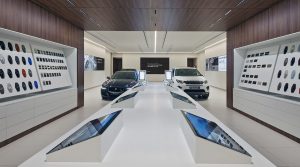
Let’s face it: digital retail in the car business may be difficult. After all, buying a car is a significant investment. It’s a lot more than just clicking “add to cart” on that $25 t-shirt you’ve been coveting on Amazon.
However, if you use digital retail appropriately, it can help you boost your dealership’s auto sales, CSI scores, and gross profitability. It also enhances your relationship with your customers and, in the long run, makes them happier. Isn’t that appealing? So, how can you make the most of digital retail? Let’s talk about the three pillars of automobile digital retail: technology, personalisation, and connectivity.
TECHNOLOGY
Without technology, you won’t be able to provide a good digital retail experience to your customers. SIMPSOCIAL assists your dealership in using text messaging to sell more cars, more quickly. Your salespeople may text potential clients to answer questions about the inventory they’re looking at online without having to come into the dealership or even make a phone call. Technology could be the game-changer that propels your dealership to the top of the market.PERSONALIZATION
Personalization is so common these days that buyers have grown to demand it. Many shopping websites, for example, use algorithms to offer users what additional things they might be interested in based on their browsing history. Perhaps your website can remember which autos the user has previously viewed and present them with similar possibilities in their price range. Allow consumers on your site to narrow down their choices depending on a range of parameters, such as their monthly budget, the size of vehicle they want, and more.CONNECTION
It’s critical that you don’t let the digital retail process obliterate the personal connection you have with your customers. It’s all about trust when it comes to buying a car. A vehicle is a significant investment, and customers must have confidence in the company from which they are purchasing it. You may still use the internet to build a meaningful and trustworthy relationship with your customers! Audiences have a natural tendency to trust a well-designed website that offers all of the information they require. Furthermore, that information should be easily accessible. Direct contact information for your dealership should be the easiest to locate.SIMPSOCIAL RETAIL DIGITAL MARKETING
Try collaborating with SIMPSOCIAL if you’re ready to bring your dealership into the year 2021 and improve your digital retail experience. We provide a customized, convenient shopping experience for your leads with our patented text and Facebook messaging technologies.WITH LIVE VIDEO CONFERENCING, YOU CAN SELL MORE CARS.
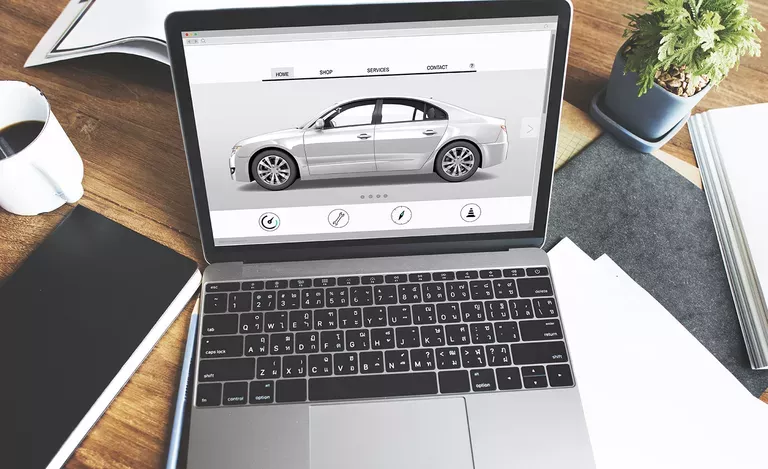
Have you tried live video conferencing with your clients? You should be if you aren’t already. We all Facetime on a regular basis these days, so we’re used to video talking on our phones. Why not use this strategy to sell autos as well? One-click live video conferencing allows you to have face-to-face conversations with customers, allowing for a more personal connection and, eventually, a sale.
 We designed our own live video conferencing technology for automobile dealers at SIMPSOCIAL. It’s one of the quickest, easiest, and most exciting ways to rapidly and easily sell more cars (even during a pandemic.) Don’t lose out on the chance to get a leg up on the competition by starting live video conferencing with your customers right now.
LIVE VIDEO CONFERENCING’S SUCCESS
We’re all on Skype, Zoom, Google Meet, or another video conferencing tool all of the time these days. Because of the pandemic, even older generations who were previously hesitant to use these apps now do so on a regular basis. We utilize these platforms to keep in touch with friends and family and to interact with them. In 2021, getting together with friends for a virtual happy hour is the new normal. Not to mention that many of us who are able to work remotely are also accustomed to participating in virtual online meetings on a daily basis. But we don’t simply use video calling for entertainment or work. We’ve also come up with new methods to use video calling: many individuals use Zoom or another platform to check in with their doctors or even have therapy appointments. According to one research, nearly a third of people use live video to communicate with a company, brand, or service provider. This pattern does not appear to be slowing down post-pandemic. Consumers have adapted to this new digital way of life, and many of them favor, if not prefer, it to conducting business in person. So why shouldn’t the automotive sector use a similar video conferencing technology to sell more cars as well?FOR THE AUTOMOTIVE INDUSTRY, LIVE VIDEO CONFERENCING
We all know that clients prefer to do business from the comfort and security of their own homes now more than ever. Car sales, unfortunately, are one of the most difficult to secure online. One-click live video conferencing is our solution. When it comes to harnessing the benefits of live video conferencing, the automotive industry is significantly behind.
When it comes to auto sales, we already know that digital retail is the way of the future. In order to meet the expectations of customers, the automotive sector must innovate and evolve as the times change. SIMPSOCIAL assists our clients in not just adapting to the issues that car dealers face, but also in growing.
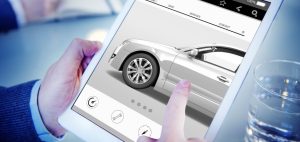
Live video conferencing is the next step in digital shopping. In the coming years, live video conferencing will undoubtedly play a significant role in the automotive industry. Face-to-face interaction between car salesmen and car-buying consumers is one component that can be lost in digital retail. This link fosters confidence and, in many cases, aids in the finalization of the transaction. In 2021, just as lead generation is different, so are the strategies for making a sale.
FOR THE AUTO INDUSTRY, THE BENEFITS OF LIVE VIDEO CONFERENCING
If you’re still not convinced, consider the following advantages of video calling in the automobile industry:
-
PERSONAL RELATIONSHIP
The personal relationship between the salesman and the customer is one of the most crucial components of selling cars. You won’t miss out on this relationship if you use live video conferencing. You may talk to your potential client in a secure and personal manner, answer all of their questions, and close the deal.
-
DISPLAY YOUR INVENTORY
A video call allows you to show a customer the automobile they’re interested in in a much more engaging and dynamic way than simply giving them images.
-
TAKES ADVANTAGE OF DEALERS’ STRENGTHS
Many car salespeople are at their best when they are able to strike up a conversation with potential customers in order to close a deal. When it comes to selling cars, video conferencing allows salespeople to focus on their skills without having to make many adjustments.
SIMPSOCIAL CONFERENCE
SIMPSOCIAL’s live video conferencing is a solution created for auto dealers, with the pandemic still affecting how we do business. This is how you can perform digital retail while still having a salesperson on hand to assist customers in making decisions. With SIMPSOCIAL Meet, you’ll be a step ahead of the competition when it comes to live video conferencing with consumers.SIMPSOCIAL MEET: HOW DOES IT WORK?
It’s as easy as scheduling a meeting with your customer to go live, and then sending them the link. They only need to click the join link to get started. They don’t even need to have an app installed on their phone. It’s that simple. This isn’t just for your tech-savvy clients; anybody and everyone can benefit from it. Apart from shaking hands to celebrate the sale, you can do everything you would in a regular meeting! Show off your inventory, offer them a detailed look at a vehicle, let them hear the engine, and answer all of their questions – all in real time. You can check to see if they have a trade-in while you’re on the phone. While on the phone, you may even text the customer a credit application and finalize the purchase. All you have to do now is schedule your pickup or delivery. auto sales with video conferencing internetSIMPSOCIAL LIVE VIDEO CONFERENCING WILL KEEP YOU A MILE AHEAD OF THE COMPETITION.
When it comes to selling automobiles, many auto dealers are stuck in the past and are hesitant to embrace new technologies like Facebook advertising and text messaging with clients. Live video conferencing will be one of the most persistent trends in car sales in the next years. When it comes to innovating to satisfy the needs of clients, don’t let your rival or Carvana leave you in the dust. Instead, speed off into the sunset with the commission from the live video conference sale you just made!ARE CRMS A WASTE OF TIME FOR SALESPERSONS?
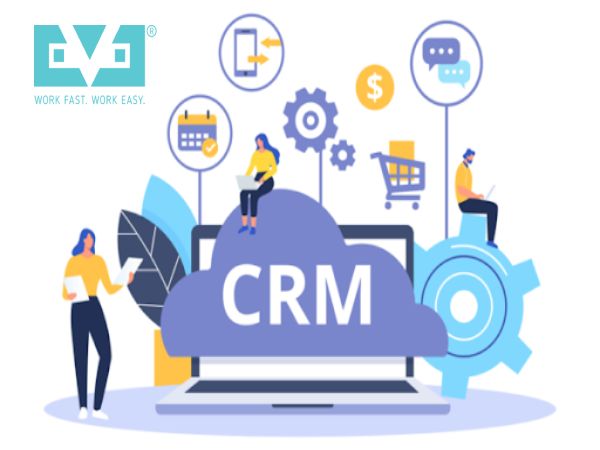 It’s time to get with the times and move to SIMPSOCIAL if you’re still utilizing a CRM. The basic conclusion is that in 2021, you won’t need a CRM to succeed in selling vehicles. Stop wasting your salespeople’s time by implementing CRMs that they don’t want to use. When you utilize SIMPSOCIAL instead of a CRM, we take care of everything. We manage your ads and follow up with your leads. We then pass the lead on to your dealership once we have a good lead for you. That means your salesmen can concentrate on what they do best: selling automobiles. (Don’t waste your time on a CRM all day.)
SALES CRM FOR AUTOMOBILES
A CRM, or Customer Relationship Manager, used to be a fantastic tool for auto dealerships trying to nurture internet leads. CRMs for vehicle sales grew in popularity in the 2010s, but now it’s 2021, and it’s time to look ahead. Car salesmen are, at the end of the day, just that: salespeople. Don’t waste your time teaching them how to use a dull tool and making them feel comfortable with it. They aren’t the type to spend all day in front of a computer. Simply put, your sales crew wants to sell cars. So give them the opportunity to do what they do best: close transactions. Furthermore, a CRM is only a tool. It’s a piece of software, after all. Every dealership is treated the same by a CRM, despite the fact that we know they are all distinct. We have a fantastic tool at SIMPSOCIAL that we use to assist you sell more automobiles, faster. But we also have real individuals on staff who can assist you in real time. They might be considered an extension of your own team. Our SIMPSOCIAL Text Ninjas are those people. SIMPSOCIAL crm is used by sales agents.A CRM IS NOT REQUIRED.
We’ll say it again: selling automobiles no longer necessitates the use of a CRM. For the auto business, Customer Relationship Managers are a thing of the past. SIMPSOCIAL is the way of the future. We manage your social media marketing, gather leads, nurture them until they’re ready to buy a car, and then send them over to your dealership to lock them in and finish the deal. We’re a full-service firm dedicated to assisting dealerships like yours in selling more automobiles without the burden of a CRM. When it comes to selling vehicles, CRMs, like cold contacting potential prospects, are a thing of the past. a salesman displaying automobilesALTERNATIVES TO CRM
You now understand why an auto sales CRM is a waste of time for both you and your salespeople. While a B2C agency or employee is an alternative to a CRM, with SIMPSOCIAL, you can tap into the potential of our complete team rather than just one individual. In addition, we are familiar with the automobile business. All we do is assist car dealerships in selling more vehicles. The majority of B2C customers are unfamiliar with the automotive sector. SIMPSOCIAL specializes in assisting auto businesses – and that’s all we do. SIMPSOCIAL is a far superior CRM to the typical CRM. We replace between 80 and 90% of the work inside a CRM at SIMPSOCIAL. Why use a CRM when SIMPSOCIAL can provide you with a 10x return on your investment? SIMPSOCIAL’s system is effective. Just ask any of our satisfied customers, who, thanks to SIMPSOCIAL, are selling more vehicles, SUVs, and trucks than ever before.SIMPSOCIAL IS BETTER THAN A CRM FOR THE FOLLOWING REASONS:
Here’s how our solution is better than a traditional CRM at helping you sell more cars. Our system consists of three steps. We use Facebook and Instagram advertisements to generate leads for your dealership, then our Text Ninjas follow up with those leads before passing them on to your sales staff to clinch the purchase. Your leads are completely unaware that they haven’t been engaged with your dealership the entire time.ADS ON FACEBOOK AND INSTAGRAM
We start by running Facebook and Instagram advertising to generate leads for your dealership. We’ve spent millions of dollars on social media ads, so we have a lot of data to work with when it comes to figuring out conversion patterns and how to develop ads that convert clients. We offer individuals in your area your greatest inventory and vehicle specials on the internet to get them to come to your dealership. This method aids us in capturing a large number of leads.NINJAS TEXT
So, what are we going to do with all those leads we’ve collected for you? We can contact hundreds of leads at once thanks to our patented technology. This reduces the number of prospective leads we received from our Facebook and Instagram ads. Allow SIMPSOCIAL’s Text Ninjas to contact leads for you instead of your sales team spending the entire day trying to contact them. Following up with a text message is far more successful than calling. In fact, we’ve discovered that texting speeds up the sale of autos. Texting is significantly less intrusive, and sending a text message is much easier for leads than picking up the phone. Consider this: how many calls do you decline on a daily basis?FINISH THE DEAL
We pass leads to your sales staff once we have a lead who is ready to come into your dealership for a test drive or to see a car in person. Your salesperson simply needs to read the text conversation between our Text Ninja and the lead and continue where they left off. The salesperson has all of the necessary information to complete the transaction and sell the vehicle. a cheerful vehicle saleswomanTODAY, SKIP THE CRM AND TRY SIMPSOCIAL.
It’s time to get rid of your CRM and replace it with SIMPSOCIAL. See how much easier it is to let your team spend their days closing car sales instead of having to teach them on crappy software. No more chasing down leads or spending the entire day in front of a computer. We take the guesswork and tedious software out of car sales. Get in touch with SIMPSOCIAL today to see what kind of return we can generate for you! automobile salespeople gathered How are we going to do it? We offer visitors around your dealership the best inventory and the most recent specials. We take them straight from Facebook and Instagram to your dealership and into their new car. We are the dealership marketing proof that selling vehicles on Facebook doesn’t require lying. So please don’t do that! Instead, put your faith in SIMPSOCIAL’s automobile marketing professionals. We’ll assist you in selling cars while maintaining the trust of your market and clients.WHEN CAN WE EXPECT MORE INVENTORY IN THE AUTO INDUSTRY?
 Since the COVID-19 epidemic emerged in the United States in the spring of 2020, the auto industry has been a rough ride. Unfortunately, it’s not yet time to unbuckle your seatbelt. The “Great American Car Shortage” is still going on as we look forward to 2022. Many automakers were forced to close their doors in 2020, and dealerships swiftly followed suit or changed their focus to live video-conferencing with clients and other alternatives. Consumers bought cars at a faster rate than automakers could create them when dealerships reopened. Though the worldwide outlook for the auto business may appear grim, there are some benefits for dealerships. In fact, some dealerships are benefitting from the scarcity of chips.